


Introduction

Sustainable Fashion is becoming one of the most important movements in the modern fashion industry. As environmental concerns continue to grow, people are now more aware of how their clothing choices impact the planet. To define sustainable fashion, it refers to clothing that is designed, produced, and consumed in ways that are environmentally friendly, socially responsible, and ethically made. It focuses on reducing waste, using eco-friendly materials, and ensuring fair treatment of workers.
The concept of ethics aesthetics sustainable fashion highlights the balance between style and responsibility. Today, fashion is not just about looking good—it’s about making conscious decisions that support sustainability without compromising on design and creativity. Designers are now combining innovation with eco-conscious practices to create outfits that are both stylish and sustainable.
From eco-friendly fabrics to responsible production techniques, sustainable fashion design is transforming how clothes are made. Brands are also showcasing their collections through sustainable fashion shows, where they promote awareness and highlight environmentally friendly trends. At the same time, sustainable fashion images shared on social media and campaigns play a major role in influencing consumer behavior and spreading awareness.
In this article, we will explore how to define sustainable fashion, understand the role of ethics and aesthetics, dive into sustainable design practices, and look at how fashion shows and visual content are shaping the future of eco-friendly fashion. By the end, you’ll have a clear understanding of how to embrace sustainability while staying stylish.
Sustainable Fashion Show
A sustainable fashion show is an innovative platform where designers showcase eco-friendly collections while promoting awareness about ethical and environmentally responsible fashion. Unlike traditional runway events, these shows focus on highlighting clothing made from organic fabrics, recycled materials, and sustainable production methods. The goal is not just to present stylish outfits but also to educate audiences about the importance of Sustainable Fashion.
In a sustainable fashion show, designers often emphasize creativity by using upcycled materials, zero-waste patterns, and natural dyes. These shows also promote transparency, allowing audiences to understand how garments are made and the impact they have on the environment. Many events collaborate with eco-conscious brands, activists, and organizations to spread awareness and inspire change within the fashion industry.
Another important aspect of a sustainable fashion show is its role in influencing trends. As more designers adopt sustainable practices, these shows become a source of inspiration for both consumers and other brands. They demonstrate that fashion can be both stylish and responsible, proving that sustainability does not limit creativity but enhances it.
Additionally, sustainable fashion shows are often supported by digital platforms and social media, where images and videos reach a global audience. This helps spread the message of sustainability far beyond the runway, encouraging more people to adopt eco-friendly fashion choices.
In conclusion, a sustainable fashion show is more than just a display of clothing—it is a powerful movement that combines fashion, awareness, and responsibility to shape a greener future for the industry.
Define Sustainable Fashion
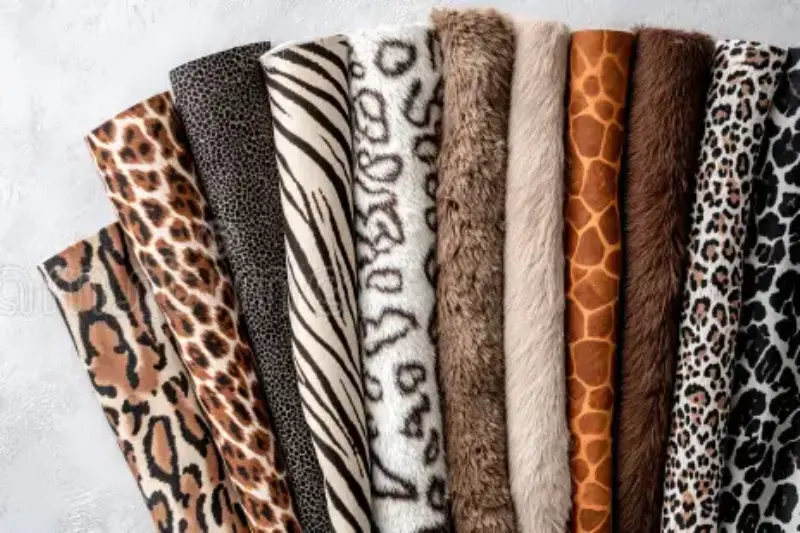
To define sustainable fashion, it refers to clothing that is designed, produced, and used in ways that minimize environmental impact while promoting ethical and social responsibility. It focuses on reducing waste, conserving natural resources, and ensuring fair treatment of workers throughout the production process. Unlike fast fashion, which prioritizes low cost and rapid production, Sustainable Fashion emphasizes quality, durability, and long-term value.
A key aspect when you define sustainable fashion is the use of eco-friendly materials such as organic cotton, hemp, bamboo, and recycled fabrics. These materials require less water, fewer chemicals, and generate less pollution compared to traditional textiles. Sustainable fashion also involves ethical manufacturing practices, ensuring safe working conditions and fair wages for workers.
Another important element is the concept of slow fashion, where consumers are encouraged to buy less but choose better-quality clothing that lasts longer. This helps reduce overconsumption and textile waste. Repairing, reusing, and recycling garments are also essential practices within sustainable fashion.
In simple terms, to define sustainable fashion means creating and wearing clothes in a way that protects the environment, supports ethical practices, and promotes mindful consumption. It is a balanced approach that allows individuals to stay stylish while contributing to a healthier planet and a more responsible fashion industry.
Ethics & Aesthetics in Sustainable Fashion
The concept of ethics aesthetics sustainable fashion focuses on balancing style with responsibility. In today’s fashion world, it is no longer enough for clothing to look good—people also want to know how it is made and whether it follows ethical and environmental standards. Sustainable Fashion brings together these two elements by ensuring that garments are both visually appealing and responsibly produced.
Ethics in fashion refers to fair labor practices, safe working conditions, and environmentally friendly production processes. Brands that follow ethical practices ensure that workers are treated fairly and that harmful chemicals and waste are minimized. When combined with aesthetics, this approach proves that fashion can be stylish without harming people or the planet.
On the other hand, aesthetics focuses on design, creativity, and visual appeal. In ethics aesthetics sustainable fashion, designers create trendy, modern, and elegant clothing using eco-friendly materials like organic cotton, recycled fabrics, and natural dyes. This shows that sustainability does not limit creativity—in fact, it often inspires more innovative and unique designs.
By combining ethics and aesthetics, sustainable fashion encourages consumers to make conscious choices without compromising on style. It promotes a future where fashion is not only beautiful but also responsible, helping protect the environment while supporting ethical practices in the industry.
Sustainable Fashion Design
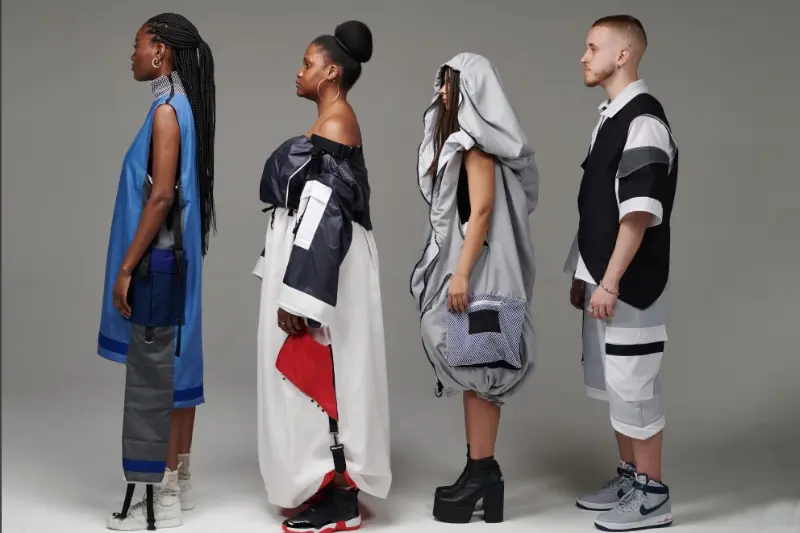
Sustainable fashion design focuses on creating clothing that is environmentally friendly, ethically produced, and long-lasting. It involves thoughtful planning at every stage—from selecting eco-friendly materials to minimizing waste during production. Designers in this field aim to reduce the negative impact of the fashion industry while still delivering stylish and high-quality garments.
A key aspect of sustainable fashion design is the use of organic and recycled materials such as organic cotton, hemp, bamboo, and recycled polyester. These materials require fewer resources and produce less pollution compared to traditional fabrics. Designers also use natural dyes and eco-friendly processes to further reduce environmental harm.
Another important element is zero-waste design, where patterns are created in a way that minimizes fabric waste. Upcycling is also popular, where old or discarded clothing is transformed into new, fashionable pieces. These creative approaches not only reduce waste but also add uniqueness to each design.
Sustainable fashion design also emphasizes durability and timeless style. Instead of following short-lived trends, designers create versatile pieces that can be worn for years. This supports the idea of slow fashion, encouraging consumers to invest in quality rather than quantity.
Overall, sustainable fashion design is about innovation, responsibility, and creativity. It proves that fashion can be both eco-conscious and stylish, helping shape a future where design meets sustainability without compromise.
Sustainable Fashion Images
Accessories Guide – Complete Style & Usage Tips 2026
Street Style Fashion – Trendy Looks & Outfit Ideas in India (2026)
Outfit Ideas for Men & Women – Stylish Jeans and Shirt Combinations in India
Sustainable Fashion: Definition, History, Design & Ethical Clothing
Sustainable fashion images play a powerful role in promoting eco-friendly clothing and spreading awareness about responsible fashion choices. In today’s digital world, visuals are one of the most effective ways to communicate ideas, and these images help showcase how Sustainable Fashion can be both stylish and environmentally conscious. From social media platforms to brand campaigns, images influence how people perceive and adopt sustainable trends.
These visuals often highlight eco-friendly materials, ethical production processes, and creative designs. High-quality sustainable fashion images can feature outfits made from organic fabrics, recycled materials, or upcycled clothing, helping audiences understand the concept in a simple and engaging way. They also emphasize natural beauty, minimalism, and timeless style, which are key elements of sustainable fashion.
Brands and designers use sustainable fashion images in marketing, websites, and social media to attract conscious consumers. These images not only promote products but also tell a story about sustainability, ethical practices, and environmental responsibility. Influencers and content creators also play a major role by sharing such visuals, making sustainable fashion more relatable and trendy.
In addition, sustainable fashion images are often used in awareness campaigns, educational content, and presentations. They inspire people to adopt eco-friendly habits, support ethical brands, and rethink their fashion choices.
Overall, sustainable fashion images are more than just visuals—they are a key tool in shaping opinions, spreading awareness, and encouraging a shift toward a more sustainable and responsible fashion industry.
Conclusion
Sustainable Fashion is shaping the future of the fashion industry by combining style, responsibility, and innovation. By learning to define sustainable fashion, understanding the balance of ethics aesthetics sustainable fashion, and exploring creative approaches like sustainable fashion design, consumers can make smarter and more responsible choices.
Events like sustainable fashion shows and the use of impactful sustainable fashion images help spread awareness and inspire people worldwide to adopt eco-friendly habits. These elements prove that fashion can be both beautiful and ethical without compromising creativity or quality.
As more individuals and brands embrace sustainability, the industry continues to evolve toward a greener future. By choosing eco-friendly materials, supporting ethical brands, and following sustainable practices, everyone can contribute to reducing environmental impact.
In the end, Sustainable Fashion is not just a trend—it’s a lifestyle choice that promotes conscious living, protects the planet, and ensures a better future for the next generations.
FAQs – Sustainable Fashion
What is sustainable fashion?
Sustainable Fashion refers to clothing made using eco-friendly materials and ethical production methods that reduce environmental impact.
How do you define sustainable fashion?
To define sustainable fashion, it means creating and using clothing that is environmentally friendly, durable, and ethically produced.
What is ethics aesthetics sustainable fashion?
It is the balance between stylish design (aesthetics) and ethical practices like fair labor and eco-friendly production.
What is sustainable fashion design?
Sustainable fashion design focuses on using eco-friendly materials, reducing waste, and creating long-lasting, high-quality clothing.
What happens in a sustainable fashion show?
A sustainable fashion show showcases eco-friendly clothing collections while promoting awareness about ethical and sustainable practices.
Why are sustainable fashion images important?
Sustainable fashion images help spread awareness, inspire people, and promote eco-friendly fashion through visual storytelling.
What materials are used in sustainable fashion?
Common materials include organic cotton, hemp, bamboo, recycled fabrics, and natural dyes.
Is sustainable fashion expensive?
It can be slightly more expensive initially, but it offers better quality and durability, making it cost-effective in the long run.
How can I adopt sustainable fashion in daily life?
You can buy less, choose quality clothing, support ethical brands, and recycle or reuse old clothes.
Why is sustainable fashion important?
It helps reduce pollution, conserve resources, and promote ethical practices in the fashion industry.
Accessories Guide – Complete Style & Usage Tips 2026
Street Style Fashion – Trendy Looks & Outfit Ideas in India (2026)
Outfit Ideas for Men & Women – Stylish Jeans and Shirt Combinations in India
Sustainable Fashion: Definition, History, Design & Ethical Clothing
