


Introduction

Sustainable Fashion is a growing movement in the clothing industry that focuses on creating stylish clothes in an eco-friendly and responsible way. It aims to reduce environmental damage caused by fast fashion while promoting ethical production, recycling, and long-lasting clothing.
In today’s world, fashion is not just about looking good—it is also about making better choices for the planet. Many brands and designers are now adopting eco-friendly methods, using organic materials, and reducing waste in sustainable fashion and textiles to protect the environment.
Popular global examples like Patagonia sustainable fashion show how brands can successfully combine style with sustainability by using recycled materials and ethical practices. At the same time, awareness is increasing through sustainable fashion awards, which recognize brands making a positive environmental impact.
In this article, we will explore the background, importance, and future of Sustainable Fashion, along with key examples, educational insights like ppt on sustainable fashion, and how this movement is shaping the future of the fashion industry.
Patagonia Sustainable Fashion
Patagonia sustainable fashion is one of the best real-world examples of how a global clothing brand can combine style, quality, and environmental responsibility. Patagonia is widely known for its strong commitment to protecting the planet while producing durable outdoor clothing.
The brand focuses on reducing environmental impact by using recycled materials, organic cotton, and ethical manufacturing processes. Instead of promoting fast fashion, Patagonia encourages customers to buy fewer, high-quality products that last longer and can even be repaired or reused.
Key Sustainable Practices by Patagonia
- Use of recycled polyester and organic cotton
- Fair labor and ethical production standards
- Repair and reuse programs to extend product life
- Reduced carbon footprint in manufacturing
- Encouraging customers to recycle old clothing
Why Patagonia is Important in Sustainable Fashion
Patagonia is considered a leader in sustainable fashion and textiles because it actively works to reduce waste and environmental harm. The brand also donates a portion of its profits to environmental causes, showing that fashion can support global sustainability goals.
Impact on the Fashion Industry
- Inspired other brands to adopt eco-friendly practices
- Increased awareness about ethical fashion choices
- Showed that sustainability and profit can work together
- Helped promote responsible consumer behavior
⭐ Final Thought
Overall, Patagonia sustainable fashion proves that fashion can be both stylish and responsible. It sets a powerful example for the industry by showing that protecting the environment should always be part of modern clothing design.
PPT on Sustainable Fashion
A PPT on Sustainable Fashion is a presentation that explains eco-friendly clothing practices, ethical production, and the importance of protecting the environment through responsible fashion choices. It is commonly used by students, teachers, and professionals for educational and awareness purposes.
Slide-by-Slide Structure for PPT
1: Title Slide
- Sustainable Fashion
- Subtitle: Eco-Friendly Future of the Fashion Industry
2: Introduction
- What is sustainable fashion?
- Importance of eco-friendly clothing
- Impact of fast fashion on environment
3: Sustainable Fashion Background
- History of sustainable fashion movement
- Growth in modern fashion industry
- Awareness about environmental issues
4: Sustainable Fashion and Textiles
- Organic cotton, bamboo, recycled fabrics
- Eco-friendly textile production
- Water and waste reduction methods
5: Examples of Sustainable Brands
- Patagonia sustainable fashion
- Other eco-friendly global brands
- Their contribution to sustainability
6: Sustainable Fashion Awards
- Recognition of eco-friendly brands
- Importance of sustainability awards
- Encouraging green innovation in fashion
7: Benefits of Sustainable Fashion
- Reduces environmental pollution
- Encourages ethical production
- Supports long-lasting clothing use
- Promotes responsible consumer behavior
8: Future of Sustainable Fashion
- Growth of eco-friendly materials
- Innovation in recycling and reuse
- Sustainable fashion trends in 2026 and beyond
9: Conclusion
- Importance of sustainable fashion
- Need for responsible clothing choices
- Role of consumers and brands
⭐ Final Thought
A PPT on Sustainable Fashion helps spread awareness about eco-friendly clothing practices and encourages people to make better fashion choices for a greener future.
Sustainable Fashion and Textiles
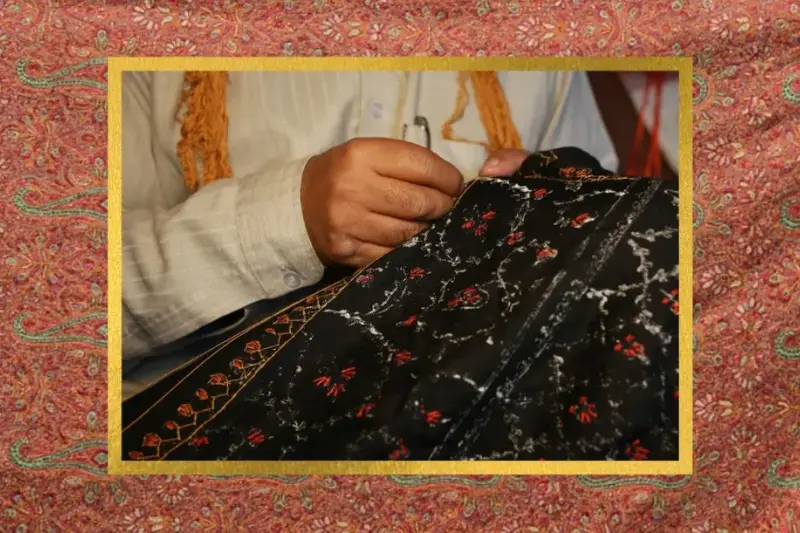
Sustainable fashion and textiles refer to the use of eco-friendly materials and responsible production methods in the clothing industry to reduce environmental harm. This approach focuses on creating fabrics and garments that are safe for both people and the planet.
In the traditional fashion industry, large amounts of water, chemicals, and energy are used, which leads to pollution and waste. Sustainable textiles aim to solve this problem by using organic, recycled, and biodegradable materials that have a lower environmental impact.
Key Types of Sustainable Textiles
- Organic cotton (grown without harmful chemicals)
- Recycled polyester (made from plastic waste)
- Bamboo fabric (natural and fast-growing material)
- Hemp fabric (strong and eco-friendly fiber)
- Tencel/Lyocell (made from wood pulp in a sustainable process)
Importance of Sustainable Fashion and Textiles
- Reduces water and air pollution
- Minimizes textile waste and landfill impact
- Promotes ethical and safe working conditions
- Encourages long-lasting and high-quality clothing
- Supports environmental protection efforts
Role in Modern Fashion Industry
Today, many brands are shifting toward sustainable practices by using eco-friendly textiles in their collections. Even popular companies inspired by patagonia sustainable fashion are proving that sustainability and style can go hand in hand.
This shift is also influencing sustainable fashion awards, which recognize brands that use innovative and environmentally responsible materials.
⭐ Final Thought
Overall, sustainable fashion and textiles are essential for building a cleaner and greener future. By choosing eco-friendly fabrics, both brands and consumers can help reduce environmental damage and support responsible fashion growth.
Sustainable Fashion Awards
Sustainable fashion awards are recognition programs that honor brands, designers, and organizations that contribute to eco-friendly and ethical fashion practices. These awards highlight efforts to reduce environmental impact, promote responsible production, and encourage innovation in the fashion industry.
In recent years, sustainability has become a major focus in global fashion, and these awards play an important role in motivating companies to adopt greener practices and improve their environmental responsibility.
Purpose of Sustainable Fashion Awards
- To recognize eco-friendly fashion brands
- To promote ethical and responsible production
- To encourage innovation in sustainable materials
- To raise awareness about environmental protection
- To support the shift toward slow and green fashion
Examples of Recognition Areas
- Best sustainable clothing brand
- Innovation in sustainable textiles
- Ethical manufacturing excellence
- Carbon reduction in fashion production
- Circular fashion and recycling initiatives
Importance in the Fashion Industry
Sustainable fashion awards help push the industry toward better practices by encouraging companies to reduce waste, use recycled materials, and improve working conditions. Brands like Patagonia sustainable fashion are often highlighted as examples of responsible and impactful fashion leadership.
These awards also influence consumer behavior by helping people identify eco-friendly brands they can trust.
Impact on Future Fashion
- Encourages more brands to go green
- Supports innovation in sustainable textiles
- Increases awareness of environmental issues
- Promotes long-term industry transformation
⭐ Final Thought
Overall, sustainable fashion awards play a key role in shaping a cleaner, greener, and more responsible fashion industry by recognizing and rewarding positive environmental change.
Sustainable Fashion Background
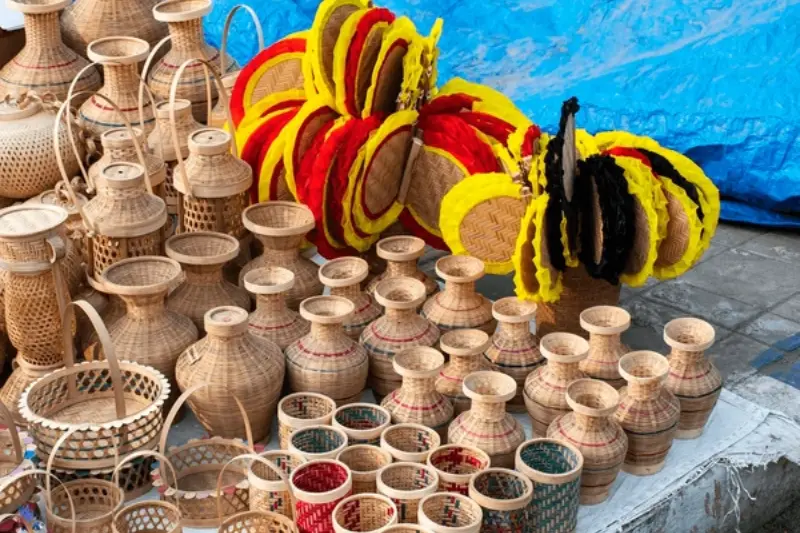
The sustainable fashion background explains how the concept of eco-friendly and responsible clothing started and evolved over time. Sustainable fashion emerged as a response to the negative environmental and social impacts of the fast fashion industry, which produces large amounts of waste, pollution, and overconsumption.
Origin of Sustainable Fashion
Sustainable fashion began gaining attention in the late 20th century when people started realizing the harmful effects of mass clothing production. Issues like water pollution, textile waste, and unsafe working conditions led designers and activists to promote more ethical and eco-friendly alternatives.
Growth of the Movement
- In the early stages, only a few designers focused on eco-friendly clothing
- Over time, awareness increased among consumers and brands
- Governments and organizations started supporting sustainability efforts
- Today, it is a global movement in the fashion industry
Key Developments
- Introduction of organic and recycled fabrics
- Rise of ethical fashion brands like Patagonia sustainable fashion
- Focus on reducing carbon footprint in textile production
- Development of slow fashion instead of fast fashion
Importance of Sustainable Fashion Background
Understanding the sustainable fashion background helps us realize why eco-friendly clothing is necessary today. It shows how the fashion industry is shifting from wasteful production to responsible and environmentally safe practices.
⭐ Final Thought
Overall, the sustainable fashion background highlights the journey from harmful fast fashion practices to a more responsible and eco-conscious industry focused on protecting both people and the planet.
Conclusion
Sustainable Fashion is not just a trend—it is a necessary shift toward a more responsible and eco-friendly future in the clothing industry. From understanding the sustainable fashion background to exploring innovations in sustainable fashion and textiles, it is clear that the industry is moving toward greener and more ethical practices.
Brands like Patagonia sustainable fashion have shown that it is possible to combine style with environmental responsibility, while initiatives like sustainable fashion awards encourage more companies to adopt eco-friendly methods and reduce their environmental impact.
Overall, sustainable fashion is helping to reduce waste, protect natural resources, and promote ethical production. By choosing eco-friendly clothing, both brands and consumers can contribute to a cleaner, healthier, and more sustainable planet.
FAQs
What is Sustainable Fashion?
Sustainable fashion is an eco-friendly approach to clothing that focuses on reducing environmental damage, using ethical production, and promoting long-lasting garments.
What is the sustainable fashion background?
The sustainable fashion background refers to the history and development of eco-friendly clothing practices that started as a response to fast fashion pollution and waste.
What are sustainable fashion and textiles?
They include the use of organic, recycled, and biodegradable fabrics that reduce environmental impact and support ethical clothing production.
What is Patagonia sustainable fashion known for?
Patagonia is known for using recycled materials, ethical manufacturing, and promoting environmental protection through its clothing products.
What are sustainable fashion awards?
These are awards given to brands and designers who contribute to eco-friendly fashion, innovation in textiles, and sustainable production methods.
Why is sustainable fashion important?
It helps reduce pollution, saves natural resources, supports ethical labor, and promotes a cleaner and greener future for the fashion industry.
