


Introduction

In today’s fast-changing world, Sustainable Fashion is becoming more than just a trend—it’s a necessity. As people grow more aware of environmental issues and ethical concerns, the fashion industry is undergoing a major transformation. Traditional clothing production, often referred to in discussions like fast fashion vs sustainable fashion, has led to massive waste, pollution, and unfair labor practices. This has pushed consumers to rethink their choices and move toward more responsible alternatives.
Sustainable fashion focuses on creating clothing that is environmentally friendly, ethically produced, and designed to last longer. Whether it’s choosing eco sustainable fashion made from organic materials or supporting ethical brands, every small step can make a big difference. Around the world, including regions like India sustainable fashion markets and sustainable fashion brands UK, this movement is growing rapidly.
This guide will serve as a practical guide to sustainable fashion, helping you understand its importance, benefits, and how you can adopt it in your daily life. By the end of this article, you’ll have a clear idea of how your fashion choices can positively impact both the planet and society.
Fast Fashion vs Sustainable Fashion
The debate around fast fashion vs sustainable fashion is at the heart of today’s fashion industry. Understanding the difference between these two approaches helps consumers make smarter and more responsible choices.
Fast fashion refers to the rapid production of cheap, trendy clothing that quickly moves from the runway to stores. Brands focus on producing large quantities at low cost, often compromising on quality and ethical standards. This results in clothes that wear out quickly, encouraging people to buy more and discard items frequently. As a result, fast fashion contributes heavily to environmental pollution, textile waste, and poor working conditions in many parts of the world.
On the other hand, Sustainable Fashion focuses on quality, longevity, and ethical production. Instead of chasing short-term trends, sustainable brands aim to create timeless pieces using eco-friendly materials and responsible manufacturing processes. Workers are treated fairly, and the environmental impact is minimized through practices like recycling, reducing waste, and using organic fabrics.
One of the biggest differences between the two is mindset. Fast fashion promotes a “buy more, wear less” culture, while sustainable fashion encourages a “buy less, wear more” approach. Although sustainable clothing may seem more expensive at first, it often proves to be more cost-effective in the long run due to its durability and higher quality.
In simple terms, fast fashion is about speed and low cost, while sustainable fashion is about responsibility and long-term value. Choosing between the two ultimately depends on whether you prioritize short-term trends or a healthier planet and ethical future.
Sustainable Fashion in India
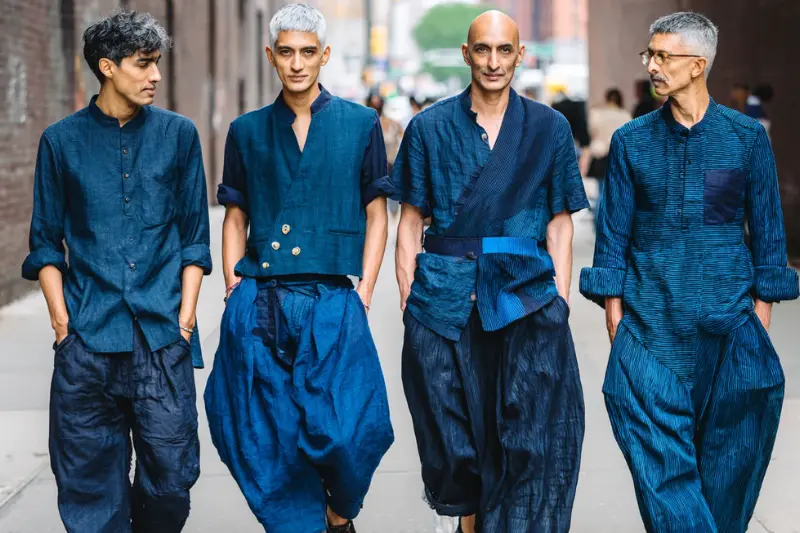
India sustainable fashion is growing rapidly as more people become aware of environmental and ethical issues in the fashion industry. India has a unique advantage because sustainable fashion is not something new here—it is deeply rooted in traditional practices like handloom, natural dyes, and handmade clothing.
For centuries, Indian artisans have used eco-friendly methods such as organic cotton, khadi, and plant-based dyes. These practices naturally align with modern sustainable fashion principles. Today, this traditional knowledge is being combined with modern designs to create stylish yet eco-friendly clothing.
In recent years, many Indian brands have started focusing on sustainability by using organic fabrics, recycling materials, and ensuring fair wages for workers. Brands like No Nasties, Doodlage, and Fabindia are leading this movement by offering clothing that is both fashionable and environmentally responsible.
Another important aspect of sustainable fashion in India is its support for local communities. Many brands work directly with rural artisans, helping preserve traditional crafts while providing them with stable income and better working conditions.
Additionally, India is becoming a hub for eco-friendly materials like hemp, organic cotton, and even innovative fibers. This makes it a key player in the global shift toward eco sustainable fashion.
In simple terms, sustainable fashion in India is a blend of tradition + innovation—where old techniques meet modern style to create clothing that is good for both people and the planet.
Sustainable Fashion Brands UK
Accessories Guide – Complete Style & Usage Tips 2026
Street Style Fashion – Trendy Looks & Outfit Ideas in India (2026)
Outfit Ideas for Men & Women – Stylish Jeans and Shirt Combinations in India
Sustainable Fashion: Definition, History, Design & Ethical Clothing
The UK has become one of the leading countries in promoting Sustainable Fashion, with many brands focusing on eco-friendly materials and ethical production methods. Today, more people in the UK are choosing clothing that not only looks stylish but also has a positive impact on the environment. This growing awareness has encouraged many fashion brands to shift from fast production to more responsible practices.
Some well-known sustainable fashion brands UK include Stella McCartney, which is famous for its luxury designs made without using leather or fur, and People Tree, a pioneer in fair trade fashion that uses organic cotton and supports artisans. Brands like Lucy & Yak have also gained popularity for offering affordable and colorful clothing made from organic and recycled fabrics, making sustainable fashion accessible to younger audiences.
In addition, companies such as Finisterre and Beaumont Organic focus on creating high-quality, durable clothing using environmentally friendly materials. These brands aim to reduce waste and ensure fair working conditions throughout their supply chains. Another innovative brand, Christopher Raeburn, is known for transforming surplus and recycled materials into stylish fashion pieces, promoting creativity along with sustainability.
Overall, the rise of sustainable fashion in the UK shows how the industry is moving towards a more responsible future. By choosing these brands, consumers can support ethical practices while enjoying high-quality and long-lasting clothing.
A Practical Guide to Sustainable Fashion
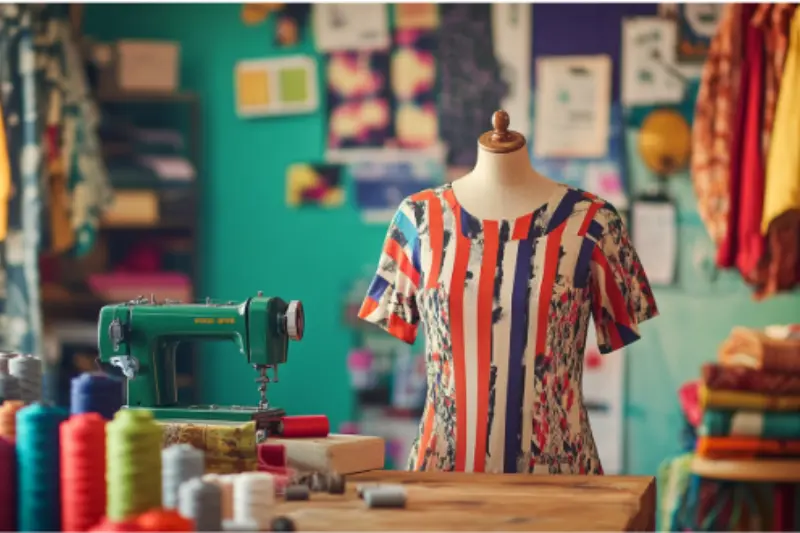
Adopting Sustainable Fashion doesn’t mean completely changing your lifestyle overnight. Instead, it’s about making small, smart choices that have a positive impact on the environment and society. This practical guide to sustainable fashion will help you get started in an easy and realistic way.
The first step is to buy less and choose better. Instead of purchasing trendy clothes that go out of style quickly, focus on timeless and high-quality pieces that you can wear for a long time. This simple habit reduces waste and saves money in the long run.
Another important step is to build a sustainable wardrobe. You can do this by reusing clothes you already own, mixing and matching outfits, and even shopping from thrift stores. Second-hand clothing is a great way to reduce demand for new production while still staying fashionable.
It’s also important to choose eco-friendly materials whenever possible. Look for fabrics like organic cotton, linen, hemp, or recycled materials. These options are better for the environment compared to synthetic fabrics that take years to decompose.
In addition, try to support ethical and sustainable brands that follow fair labor practices and transparent production processes. Before buying, check if the brand shares information about how and where their clothes are made.
Taking care of your clothes is another key part of sustainable fashion. Washing clothes less frequently, using cold water, and repairing damaged items instead of throwing them away can significantly increase their lifespan.
Lastly, remember that sustainable fashion is not about perfection—it’s about progress. Even small steps, like avoiding impulse buying or choosing quality over quantity, can make a big difference over time.
Eco Sustainable Fashion
Eco sustainable fashion is all about creating clothing in ways that are friendly to the environment and reduce harm to the planet. Unlike conventional fashion, which often relies on chemical dyes, synthetic fabrics, and wasteful production processes, eco sustainable fashion focuses on materials, processes, and practices that are renewable, non-toxic, and low-impact. 🌱
One of the key elements of eco sustainable fashion is the use of natural and organic fabrics, such as organic cotton, hemp, bamboo, and linen, which require less water and no harmful pesticides. Many brands also use recycled materials, like turning plastic bottles into polyester fabrics, to reduce waste and save resources.
Eco-friendly production doesn’t stop at materials. It also includes low-impact dyeing techniques, reduced water and energy consumption, and minimizing textile waste. Some brands even focus on upcycling old garments, giving them a second life instead of throwing them away.
Another important aspect of eco sustainable fashion is transparency. Brands that follow this approach openly share information about their supply chain, ensuring fair treatment of workers and ethical practices from start to finish.
In short, eco sustainable fashion combines style with responsibility—helping you look good while protecting the planet and supporting ethical practices. It’s a practical way to enjoy fashion without compromising the environment. 🌍
Conclusion
Sustainable fashion is more than just a trend—it’s a conscious choice that benefits the environment, society, and your wardrobe. By understanding the difference between fast fashion vs sustainable fashion, you can make smarter decisions about the clothes you buy, wear, and discard. From supporting eco sustainable fashion practices to choosing ethical brands in your country, like India sustainable fashion labels or sustainable fashion brands UK, every step counts toward a healthier planet.
Adopting sustainable fashion doesn’t require perfection. Simple actions like buying fewer, high-quality items, reusing and recycling clothing, and choosing eco-friendly fabrics can have a huge impact over time. Following a practical guide to sustainable fashion helps you build a wardrobe that is not only stylish but also ethical and long-lasting.
By embracing sustainable fashion, you are contributing to a future where clothing is produced responsibly, workers are treated fairly, and natural resources are preserved. Every small decision matters—whether it’s opting for organic cotton, supporting upcycled designs, or choosing timeless pieces over fleeting trends. In the end, sustainable fashion is about making thoughtful choices that benefit you, the people, and the planet.
FAQs – Sustainable Fashion
What is sustainable fashion in simple words?
Sustainable fashion refers to clothing that is made responsibly, using eco-friendly materials and ethical production methods, aiming to reduce environmental impact and support fair labor.
Why is sustainable fashion important?
It helps reduce pollution, waste, and carbon footprint, supports ethical labor practices, and promotes a more responsible and conscious approach to clothing consumption.
What is the difference between fast fashion and sustainable fashion?
Fast fashion focuses on cheap, trendy clothes that wear out quickly, while sustainable fashion emphasizes quality, longevity, and ethical production.
Is sustainable fashion expensive?
It may cost more upfront, but sustainable clothes are more durable and last longer, making them cost-effective in the long run.
How can I start sustainable fashion on a budget?
Buy fewer items, shop second-hand or thrift stores, reuse and recycle clothes, and choose quality over quantity.
What are eco-friendly fabrics?
Fabrics like organic cotton, hemp, bamboo, linen, and recycled materials are eco-friendly because they use fewer resources and chemicals in production.
Are sustainable fashion brands worth it?
Yes. They offer high-quality, durable clothing made ethically, and your purchase supports environmentally friendly practices and fair labor.
How does sustainable fashion help the environment?
It reduces textile waste, lowers carbon emissions, conserves water, and minimizes the use of harmful chemicals in clothing production.
What are the best sustainable fashion brands UK?
Brands like Stella McCartney, People Tree, and Lucy & Yak are popular for their eco-friendly and ethical practices.
Is sustainable fashion growing in India?
Yes. Many Indian brands now focus on eco-friendly fabrics, fair labor, and traditional handloom techniques, making India a key player in sustainable fashion.
Accessories Guide – Complete Style & Usage Tips 2026
Street Style Fashion – Trendy Looks & Outfit Ideas in India (2026)
Outfit Ideas for Men & Women – Stylish Jeans and Shirt Combinations in India
Sustainable Fashion: Definition, History, Design & Ethical Clothing
