


Introduction

Accessories play an essential role in almost every industry, from musical instruments and sewing machines to industrial devices and technical equipment. While the main product or device is often the center of attention, accessories are what enhance its performance, improve usability, and ensure long-term durability. A well-chosen accessory can significantly change how efficiently a tool or device works, making it more comfortable, reliable, and effective in real-world use.
In today’s fast-growing technology and equipment-driven world, understanding accessories has become more important than ever. Whether it is a musician looking for the right guitar accessories buyers guide, a technician working with a Honeywell CT40 accessory guide, or an operator managing industrial tools like MC3190 accessories guide systems, the right accessories directly impact performance and productivity. Even specialized fields such as sewing, where a Husqvarna Viking accessory user guide helps users achieve precision and creativity, show how crucial accessories are in everyday tasks.
Accessories are not just optional add-ons; they are often necessary components that support functionality and safety. From protective cases and charging docks to specialized tools and attachments, each accessory is designed to solve a specific problem or improve a specific function. Choosing the right accessories can extend the life of equipment, reduce maintenance costs, and improve overall user experience.
This Accessories Guide is designed to help you understand different types of accessories across multiple categories and industries. It will also help you learn how to choose the right accessories, avoid common mistakes, and stay updated with future trends in the accessories market. By the end of this guide, you will have a clear understanding of how accessories impact performance and why selecting the right ones is so important for both personal and professional use.
What Are Accessories?
Accessories are additional components or supporting items designed to enhance the performance, protection, or functionality of a main product or device. They are not always required for basic operation, but they play a crucial role in improving efficiency, usability, and overall experience.
In simple terms, accessories act as supporting tools that help users get the most out of their equipment. Whether it is a musical instrument, industrial machine, sewing device, or handheld scanner, accessories bridge the gap between basic functionality and advanced performance.
H3: Types of Accessories Across Different Industries
Accessories are used in many fields, and their purpose changes depending on the industry:
- Musical Accessories: Guitar strings, tuners, picks, and amplifiers
- Industrial Accessories: Charging docks, protective cases, batteries, mounts
- Sewing Accessories: Presser feet, bobbins, needles, extension tables
- Electronics Accessories: Cables, covers, chargers, screen protectors
- Equipment Accessories: Handles, grips, rails, safety attachments
Each category is designed to improve a specific function, whether it is accuracy, protection, speed, or convenience.
H3: Why Accessories Are Important
Accessories may seem secondary, but they provide several key advantages:
- Improve overall performance of the main device
- Increase durability and lifespan of equipment
- Enhance safety during usage
- Provide better control and precision
- Reduce long-term maintenance costs
For example, using proper industrial accessories in devices like MC3190 systems can significantly improve workflow efficiency in warehouses and logistics operations. Similarly, the right sewing machine accessories can improve stitching quality and creative possibilities.
H3: Role of Accessories in Modern Technology
With the advancement of technology, accessories have become more specialized and essential. Modern devices are often designed to work with specific add-ons that improve functionality and user experience.
In industrial environments, accessories help ensure continuous operation under tough conditions. In creative fields like music and fashion, they allow users to experiment, customize, and enhance performance. This makes accessories an important part of both professional and personal use.
H3: Accessories vs Main Products
While the main product performs the core function, accessories enhance or support that function. Without accessories, many devices may still work, but not at their full potential.
For example:
- A guitar works without accessories, but tuning tools and strings improve sound quality
- A handheld scanner works without extra attachments, but grips and batteries improve usability
- A sewing machine works without add-ons, but specialized feet improve precision
This balance between core product and supporting accessories is what creates a complete user experience.
Guitar Accessories Buyers Guide
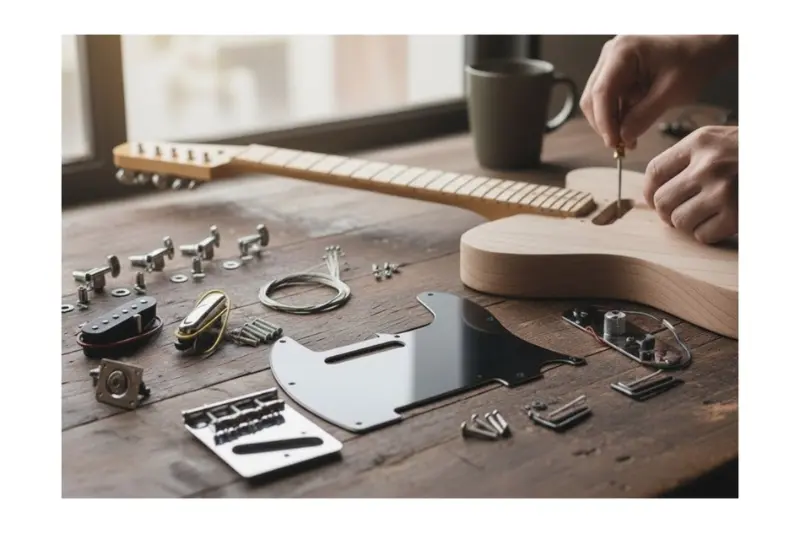
Guitar accessories are essential for every guitarist, whether you are a beginner learning basic chords or a professional performing on stage. The right accessories not only improve sound quality but also make playing more comfortable and efficient. A proper understanding of guitar accessories helps musicians choose tools that match their playing style, instrument type, and performance needs.
H3: Essential Guitar Accessories
Every guitarist should be familiar with basic accessories that directly affect performance:
- Guitar Strings: The most important accessory that influences tone, durability, and playability
- Picks (Plectrums): Used to strum or pluck strings with control and precision
- Capo: Helps change pitch easily without retuning the guitar
- Tuner: Ensures accurate tuning for better sound quality
- Strap: Provides comfort while playing standing up
- Cables and Amplifiers (for electric guitars): Improve sound output and connectivity
Each accessory plays a specific role in improving overall musical performance.
H3: How to Choose the Right Guitar Accessories
Choosing the right accessories depends on several important factors:
- Skill Level: Beginners should start with basic and affordable accessories, while professionals may prefer premium-quality gear
- Guitar Type: Acoustic and electric guitars require different types of strings, cables, and pickups
- Material Quality: High-quality materials last longer and produce better sound
- Brand Reliability: Trusted brands usually offer better durability and performance consistency
Selecting the right combination of accessories ensures better sound, comfort, and long-term value.
H3: Common Mistakes to Avoid
Many guitarists make simple mistakes when buying accessories, such as:
- Choosing incompatible strings for their guitar type
- Buying low-quality picks that wear out quickly
- Ignoring tuning tools and relying on guesswork
- Overlooking cable quality in electric setups
Avoiding these mistakes helps maintain sound quality and improves playing experience.
- H3: Importance of Guitar Accessories in Performance
Guitar accessories directly impact sound quality and performance control. Even small items like picks or tuners can make a big difference in tone and accuracy. For professional musicians, high-quality accessories are not optional—they are essential for consistent performance.
Proper accessories also help protect the instrument, reduce wear and tear, and ensure smooth performance during practice or live shows. This is why every guitarist should invest in a well-planned set of accessories tailored to their needs.
Honeywell CT40 Accessory Guide
The Honeywell CT40 is a rugged mobile computer widely used in retail, warehouse, logistics, and field service operations. In such demanding environments, accessories are not just optional—they are essential for maintaining efficiency, durability, and uninterrupted workflow. A proper Honeywell CT40 accessory guide helps users select the right add-ons to maximize device performance and lifespan.
H3: Essential Honeywell CT40 Accessories
Several key accessories are commonly used with the CT40 device:
- Protective Boot / Rugged Case: Shields the device from drops, dust, and harsh handling
- Charging Cradle / Dock: Enables fast and secure charging in work environments
- Spare Battery Packs: Ensures continuous operation during long shifts
- Hand Strap: Improves grip and reduces accidental drops
- Vehicle Mounts: Allows safe use in forklifts or service vehicles
- Screen Protectors: Prevent scratches and display damage
Each accessory contributes to improving device reliability in industrial conditions.
H3: Why Accessories Are Important for CT40
In fast-paced environments like warehouses and retail systems, downtime can cause operational delays. CT40 accessories help reduce such risks by:
Increasing device protection against physical damage
Supporting continuous usage through backup batteries
Improving handling and mobility for workers
Enhancing productivity in scanning and data entry tasks
Without proper accessories, even a high-performance device like the CT40 may experience reduced efficiency and higher maintenance costs.
H3: How to Choose the Right CT40 Accessories
Selecting the right accessories depends on workplace conditions and usage requirements:
- Environment: Dusty, wet, or high-impact environments require rugged protection
- Shift Duration: Longer shifts require extra batteries or charging solutions
- Mobility Needs: Vehicle mounts or straps improve portability
- Compatibility: Always ensure accessories are designed specifically for the CT40 model
Choosing correctly ensures smooth operations and reduces equipment failure.
H3: Maintenance Tips for Accessories
Proper maintenance extends the life of both the device and its accessories:
- Clean charging contacts regularly to avoid connection issues
- Store batteries in cool, dry conditions
- Inspect protective cases for cracks or wear
- Avoid using damaged or non-certified accessories
Regular care ensures long-term performance and reliability in industrial environments.
H3: Role of CT40 Accessories in Industrial Efficiency
CT40 accessories play a major role in improving workflow efficiency. In logistics and retail operations, workers rely on quick scanning, data accuracy, and uninterrupted device usage. Accessories help achieve these goals by improving durability, power management, and ease of handling.
This makes them an essential part of modern industrial technology ecosystems.
Husqvarna Viking Accessory User Guide

Husqvarna Viking sewing machines are widely known for their precision, durability, and advanced stitching capabilities. However, the true potential of these machines is unlocked through the proper use of accessories. A well-structured Husqvarna Viking accessory user guide helps users understand how different attachments improve sewing quality, creativity, and efficiency.
Whether you are a beginner learning basic stitching or an advanced user working on complex embroidery, accessories play a key role in achieving professional results.
H3: Essential Husqvarna Viking Sewing Accessories
Sewing machines use a variety of accessories to support different techniques and fabrics:
- Presser Feet: Used for zippers, buttonholes, quilting, and decorative stitching
- Bobbins: Ensure smooth thread flow and consistent stitching
- Needles: Different types for various fabrics like denim, silk, or cotton
- Extension Tables: Provide extra workspace for large fabric projects
- Embroidery Hoops: Used for detailed embroidery designs
- Spool Holders and Guides: Help maintain thread tension and alignment
Each accessory contributes to improving precision and expanding creative possibilities.
H3: How Accessories Improve Sewing Performance
Using the right accessories can significantly enhance sewing results:
- Improve stitching accuracy and consistency
- Allow smooth handling of different fabric types
- Enable advanced techniques like quilting and embroidery
- Reduce fabric damage and stitching errors
- Increase overall productivity and speed
For example, using the correct presser foot can make stitching zippers or hems much easier and more professional-looking.
H3: Choosing the Right Accessories for Projects
Selecting accessories depends on the type of sewing work being done:
- Beginner Projects: Basic presser feet, standard needles, and simple bobbins
- Advanced Projects: Specialized embroidery feet, quilting tools, and extension tables
- Fabric Type: Heavy fabrics require stronger needles, while delicate fabrics need finer tools
Matching accessories with project requirements ensures better results and reduces frustration during sewing.
H3: Common Mistakes to Avoid
Many users face issues due to incorrect accessory usage:
- Using the wrong needle type for fabric
- Ignoring machine compatibility guidelines
- Overlooking maintenance of presser feet and bobbins
- Using low-quality or non-original accessories
Avoiding these mistakes helps maintain machine performance and improves stitching quality.
H3: Maintenance and Care Tips
Proper maintenance ensures long-lasting performance of sewing accessories:
- Clean presser feet and bobbins regularly
- Replace needles after extended use
- Store accessories in a dry, organized container
- Check for wear and tear before starting a project
Good maintenance not only protects the machine but also ensures consistent sewing results.
H3: Importance of Accessories in Creative Sewing
Husqvarna Viking accessories are not just functional—they are creative tools. They allow users to experiment with patterns, textures, and designs that would be impossible with a basic setup alone.
From fashion design to home décor projects, accessories help bring creative ideas to life with precision and ease. This makes them an essential part of both professional tailoring and hobby sewing.
MC3190 Accessories Guide (Industrial Handheld Devices)
The MC3190 handheld computer is widely used in logistics, warehousing, retail, and inventory management. In such fast-paced environments, accessories are essential to ensure efficiency, durability, and uninterrupted workflow. A well-planned MC3190 accessories guide helps users select the right components to maximize device performance and reduce downtime.
H3: Essential MC3190 Accessories
Several accessories are commonly used to improve the functionality of the MC3190 device:
- Charging Cradles: Allow fast and stable charging during shifts
- Spare Batteries: Ensure continuous operation without interruptions
- Protective Cases / Rubber Boots: Shield the device from drops and impacts
- Hand Straps: Improve grip and reduce accidental drops
- Trigger Handles: Enhance scanning speed and comfort in warehouse operations
- Screen Protectors: Prevent scratches and display damage
Each accessory plays a role in maintaining device reliability in demanding environments.
H3: Why Accessories Are Important in Industrial Use
In industrial environments, handheld devices are exposed to constant handling, movement, and sometimes rough conditions. Accessories help by:
- Increasing device durability in tough environments
- Reducing downtime caused by battery drainage or damage
- Improving scanning efficiency and accuracy
- Enhancing worker comfort during long shifts
Without proper accessories, even high-quality devices like the MC3190 may experience reduced productivity and higher maintenance costs.
H3: Choosing the Right MC3190 Accessories
Selecting the right accessories depends on operational requirements:
- Work Environment: Dusty or high-impact areas require rugged protection
- Usage Duration: Long shifts need extra batteries and charging solutions
- Mobility Needs: Hand straps or trigger handles improve handling
- Compatibility: Always ensure accessories are designed specifically for MC3190 models
Correct selection ensures smooth workflow and reliable performance.
H3: Maintenance Tips for MC3190 Accessories
Proper care extends the lifespan of accessories and the device:
- Clean charging contacts regularly to maintain efficiency
- Replace worn-out batteries on time
- Inspect protective covers for cracks or damage
- Store accessories in clean, dry environments
Regular maintenance prevents unexpected failures during operations.
H3: Role of MC3190 Accessories in Workflow Efficiency
MC3190 accessories are essential for improving operational efficiency in industries like logistics and retail. They ensure faster scanning, reliable data collection, and continuous device availability throughout work shifts.
By supporting mobility, durability, and power management, these accessories help businesses maintain smooth and efficient operations in high-demand environments.
M4 Carbine Accessories (Firearms Accessories Guide Overview)
Accessories for the M4 platform are designed to improve usability, control, customization, and performance in professional or regulated environments. This section of the Accessories Guide is strictly informational and focuses on general categories, responsible usage, and safety considerations. Any use or modification of such equipment must always comply with local laws, regulations, and proper training requirements.
H3: Common Categories of M4-Style Accessories
M4-style platforms can support a wide range of accessory types depending on the intended application:
- Optics and Sights: Red dot sights, magnified scopes, and iron sights
- Rail Systems and Mounts: Allow attachment of compatible accessories
- Grips: Improve handling, stability, and control
- Stocks: Adjustable components for improved comfort and fit
- Slings: Assist in carrying and maneuvering the platform safely
- Lights and Lasers (where legally permitted): Improve visibility and target identification
These accessories are generally designed to improve ergonomics, accuracy, and handling efficiency.
H3: Safety and Legal Considerations
When dealing with any firearm-related accessories, safety and compliance are the highest priorities:
- Always follow local laws and regulations regarding ownership and accessories
- Ensure proper training before handling or modifying any equipment
- Use only compatible, certified, and approved components
- Avoid unauthorized modifications that may compromise safety
- Store equipment securely when not in use
Responsible use is essential to prevent accidents and ensure safe operation.
H3: Choosing Accessories Responsibly
Selecting accessories for M4-style platforms should always be done with care and awareness:
- Compatibility: Ensure accessories match the specific platform model
- Purpose: Choose accessories based on intended use and environment
- Quality: Use durable and tested components from reliable manufacturers
- Professional Guidance: Seek expert advice when required
Proper selection helps maintain safe operation and reliable performance.
H3: Importance of Accessories in System Performance
Accessories can significantly influence handling and usability by improving stability, control, and adaptability. In professional settings, they help users customize equipment to specific operational needs while maintaining safety standards.
However, the effectiveness of accessories depends on correct installation, proper usage, and strict adherence to safety guidelines.
H3: Responsible Ownership Reminder
Accessories should always be treated as part of a broader responsibility framework. Safe handling, proper storage, and legal compliance are essential elements of responsible ownership and use. The focus should always remain on safety, control, and accountability.
How to Choose the Right Accessories
Choosing the right accessories is one of the most important steps in ensuring performance, durability, and efficiency across any device or tool. Whether you are selecting musical gear, industrial equipment add-ons, sewing machine parts, or handheld device accessories, the right decision can significantly improve usability and reduce long-term costs.
A careful selection process helps you avoid compatibility issues, poor performance, and unnecessary replacements.
H3: Check Compatibility First
Compatibility is the most critical factor when selecting accessories. Even high-quality accessories will not perform well if they are not designed for your specific model or system.
- Match accessories with exact model numbers
- Follow manufacturer recommendations
- Verify technical specifications before purchase
For example, MC3190 accessories or Honeywell CT40 accessories must always match their respective device versions to ensure proper functionality.
Focus on Quality and Durability
High-quality accessories may cost more initially, but they offer better long-term value.
- Stronger materials last longer under heavy use
- Better performance under demanding conditions
- Reduced maintenance and replacement costs
Low-quality accessories often fail quickly and can even damage the main device.
Consider Usage Environment
Your working environment plays a major role in accessory selection:
- Industrial environments: Require rugged, shock-resistant accessories
- Musical use: Needs precision and sound quality focus
- Home or hobby use: Can prioritize affordability and simplicity
- Outdoor or field use: Requires weather-resistant and durable materials
Choosing according to environment ensures reliability and safety.
H3: Evaluate Brand Reliability
Trusted brands usually offer:
Better product testing and quality control
Warranty and customer support
Higher compatibility assurance
Avoid unverified brands when dealing with sensitive equipment or high-performance tools.
H3: Balance Price vs Performance
While budget matters, focusing only on price can lead to poor decisions.
- Cheap accessories may lack durability
- Mid-range options often offer best value
- Premium accessories are ideal for professional use
Always aim for long-term value rather than short-term savings.
H3: Read Reviews and User Feedback
User reviews help identify real-world performance issues:
- Durability over time
- Compatibility problems
- Ease of use
- Common failures or strengths
This step helps you avoid unreliable products.
H3: Match Accessories to Your Skill Level
Your experience level should influence your choice:
- Beginners should choose simple, user-friendly accessories
- Professionals should invest in advanced, high-performance tools
- Industrial users should prioritize safety and reliability
This ensures better efficiency and fewer mistakes.
H3: Avoid Overbuying Unnecessary Accessories
Many users buy accessories they do not actually need. This leads to wasted money and clutter.
- Focus only on essential accessories
- Upgrade gradually based on need
- Avoid trend-based unnecessary purchases
A simple, focused setup is often more effective.
H3: Final Thought on Smart Selection
The right accessories enhance performance, extend equipment life, and improve user experience. A smart selection approach combines compatibility, quality, environment awareness, and long-term value.
By making informed decisions, users can ensure that every accessory adds real value rather than unnecessary complexity.
Benefits of Using the Right Accessories
Using the right accessories can significantly improve the performance, safety, and lifespan of any device or tool. Whether it is musical equipment, industrial machines, sewing devices, or handheld scanners, properly chosen accessories ensure smoother operation and better results.
H3: Improved Performance
The right accessories directly enhance how efficiently a device works.
- Better accuracy and output quality
- Faster workflow and reduced errors
- Optimized functionality for specific tasks
For example, proper MC3190 accessories improve scanning speed and reduce operational delays in warehouse environments.
H3: Extended Equipment Lifespan
Accessories also help protect the main device from damage and wear.
- Protective cases prevent physical damage
- Quality cables reduce internal strain
- Proper maintenance tools reduce breakdown risk
This leads to longer device life and fewer replacements.
H3: Better User Experience
Well-designed accessories make devices easier and more comfortable to use.
- Improved grip and handling
- Reduced physical strain during long use
- More intuitive operation
This is especially important in industrial and professional environments where devices are used for long hours.
H3: Cost Savings Over Time
Although accessories may require initial investment, they help save money in the long run.
- Fewer repairs and replacements
- Reduced downtime in industrial settings
- Better efficiency and productivity
High-quality accessories provide long-term financial benefits.
H3: Increased Safety
In many industries, accessories play a key role in safety.
- Protective gear reduces accident risks
- Stable mounts prevent device drops
- Proper fittings ensure secure operation
Safety-focused accessories are essential in both industrial and technical environments.
H3: Flexibility and Customization
Accessories allow users to customize devices according to their needs.
- Adjust tools for specific tasks
- Upgrade performance when required
- Adapt equipment for different environments
This flexibility makes devices more versatile and efficient.
H3: Summary of Benefits
Overall, using the right accessories ensures:
- Higher performance
- Greater durability
- Improved comfort
- Better safety
- Long-term cost efficiency
Choosing quality accessories is a simple step that delivers long-lasting value across all industries.
Common Mistakes When Buying Accessories
Even though accessories are meant to improve performance and convenience, many users make simple mistakes that reduce efficiency or even damage their main devices. Understanding these common errors can help you make smarter purchasing decisions and get better long-term value from your accessories.
H3: Ignoring Compatibility
One of the most frequent mistakes is buying accessories without checking compatibility.
- Accessories may not fit the exact model
- Performance issues can occur with mismatched parts
- In some cases, devices may get damaged
For example, MC3190 accessories or Honeywell CT40 accessories must always match the correct device version to work properly.
H3: Choosing Based Only on Price
Many buyers focus only on the cheapest option available.
- Low-quality materials reduce durability
- Frequent replacements increase long-term cost
- Poor performance affects productivity
It is always better to balance price with quality and reliability.
H3: Overlooking Quality Standards
Not all accessories are manufactured with the same standards.
- Cheap accessories may lack proper testing
- Poor construction can lead to early failure
- Safety risks may increase in industrial use
Always prefer trusted and tested products.
H3: Ignoring User Reviews
Skipping user feedback is another common mistake.
- Real-world performance is often different from product claims
- Reviews highlight common issues and benefits
- Helps identify reliable brands and models
Reviews are an important part of smart buying decisions.
H3: Buying Unnecessary Accessories
Many users purchase more accessories than they actually need.
- Leads to wasted money
- Creates unnecessary clutter
- Often results in unused products
It is better to buy only what is essential and upgrade gradually.
H3: Not Considering Usage Environment
Accessories should always match the working environment.
- Industrial environments need rugged accessories
- Outdoor use requires weather-resistant materials
- Office or home use may need basic protection
Ignoring this factor reduces performance and durability.
H3: Using Non-Original or Fake Accessories
Using unofficial or fake accessories can be risky.
- Poor compatibility with devices
- Reduced performance and reliability
- Possible damage to expensive equipment
Whenever possible, choose genuine or certified accessories.
H3: Lack of Long-Term Planning
Many buyers focus only on immediate needs.
- No consideration for future upgrades
- Accessories may become outdated quickly
- Additional costs later for replacements
Planning ahead ensures better investment value.
H3: Final Note on Smart Buying
Avoiding these common mistakes helps you choose better accessories that last longer, perform efficiently, and provide real value. A careful and informed approach always leads to better results and fewer problems in the long run.
Future Trends in the Accessories Industry
The accessories industry is evolving rapidly due to advancements in technology, changing consumer behavior, and increasing demand for smarter, more efficient solutions. From industrial tools to musical equipment and everyday devices, accessories are becoming more intelligent, sustainable, and highly specialized.
Understanding future trends helps users and businesses stay ahead and make better purchasing and design decisions.
H3: Smart and Connected Accessories
One of the biggest trends is the rise of smart accessories.
- Built-in sensors for real-time monitoring
- Bluetooth and wireless connectivity
- Integration with mobile apps and systems
These features allow users to track performance, improve efficiency, and reduce manual effort across different industries.
H3: Growth of IoT-Based Accessories
The Internet of Things (IoT) is transforming how accessories function.
- Devices communicate with each other automatically
- Real-time data sharing improves workflow
- Better control and automation in industrial systems
IoT-based accessories are especially useful in logistics, healthcare, and manufacturing environments.
H3: Eco-Friendly and Sustainable Materials
Sustainability is becoming a major focus in accessory production.
- Recycled plastics and biodegradable materials
- Energy-efficient manufacturing processes
- Reduced environmental footprint
Consumers are increasingly preferring eco-friendly products, pushing companies to adopt greener solutions.
H3: Modular and Customizable Designs
Modern accessories are being designed for flexibility and personalization.
- Interchangeable parts for different needs
- Custom configurations for users
- Easy upgrades without replacing full systems
This trend is especially useful in industrial and technical equipment.
H3: Increased Automation in Industrial Accessories
Industrial accessories are becoming more automated and efficient.
- Automatic charging systems
- Smart battery management
- Self-adjusting tools and attachments
This reduces manual effort and improves productivity in high-demand environments.
H3: Lightweight and Durable Materials
Manufacturers are focusing on improving material performance.
- Strong yet lightweight composites
- Heat and impact-resistant materials
- Longer-lasting components
These improvements enhance usability without adding extra weight or complexity.
H3: Digital Integration and Software Support
Accessories are no longer just physical components.
- Software-controlled functions
- Firmware updates for performance improvements
- Cloud-based monitoring systems
This integration improves control, tracking, and maintenance.
H3: Personalized User Experience
Customization is becoming more important than ever.
- Accessories tailored to user preferences
- Adaptive features based on usage patterns
- Industry-specific configurations
This ensures better comfort, efficiency, and productivity.
H3: Final Outlook on the Industry
The future of accessories is smart, sustainable, and highly adaptable. As technology continues to evolve, accessories will play an even more important role in improving performance, safety, and convenience across all industries.
Businesses and users who adapt to these trends will benefit from greater efficiency, reduced costs, and improved long-term performance.
Conclusion
Accessories are an essential part of almost every industry, playing a key role in improving performance, durability, and user experience. From musical instruments and sewing machines to industrial handheld devices and technical equipment, the right accessories can significantly enhance how a product functions in real-world conditions.
Throughout this Accessories Guide, we explored different categories such as guitar accessories, Honeywell CT40 accessories, Husqvarna Viking sewing accessories, and MC3190 industrial accessories. Each of these examples shows how accessories are not just optional add-ons but important tools that directly impact efficiency, safety, and productivity.
Choosing the right accessories requires careful consideration of compatibility, quality, usage environment, and long-term value. When selected correctly, accessories can extend the lifespan of equipment, reduce maintenance costs, and improve overall performance. On the other hand, poor choices can lead to inefficiency, damage, or unnecessary expenses.
We also looked at common mistakes users make when buying accessories, such as ignoring compatibility, focusing only on price, or using low-quality products. Avoiding these mistakes is crucial for getting the best results from any device or system.
Looking ahead, the accessories industry is rapidly evolving with trends like smart connectivity, IoT integration, eco-friendly materials, and modular designs. These innovations are making accessories more efficient, sustainable, and user-friendly than ever before.
In conclusion, accessories should be viewed as an investment rather than an extra cost. Whether you are a beginner or a professional, selecting the right accessories can make a significant difference in performance and satisfaction. By making informed decisions, users can ensure better results, improved safety, and long-term value across all types of tools and devices.
faqs
What is an accessories guide?
An accessories guide is a detailed resource that explains different types of accessories, their uses, and how to choose the right ones for various devices, tools, or industries.
Why are accessories important?
Accessories improve performance, enhance usability, increase durability, and help users get the most out of their main devices or equipment.
What are some common types of accessories?
Common accessories include cables, protective cases, batteries, grips, mounts, tuning tools, sewing machine attachments, and industrial device add-ons.
What are guitar accessories used for?
Guitar accessories such as strings, tuners, picks, and capos help improve sound quality, tuning accuracy, and playing comfort.
What is included in a Honeywell CT40 accessory guide?
It typically includes charging docks, protective cases, batteries, hand straps, and vehicle mounts designed to improve durability and performance.
What is MC3190 used for and why do accessories matter?
MC3190 is an industrial handheld device used in logistics and warehousing. Accessories improve scanning speed, durability, and operational efficiency.
Are accessories necessary for all devices?
Not always, but they greatly enhance performance, protection, and usability, especially in professional or industrial environments.
How do I choose the right accessories?
You should check compatibility, quality, usage environment, brand reliability, and user reviews before purchasing accessories.
What are common mistakes when buying accessories?
Common mistakes include ignoring compatibility, choosing low-quality products, focusing only on price, and buying unnecessary items.
What are future trends in accessories?
Future trends include smart accessories, IoT integration, eco-friendly materials,
