

Introduction
The fashion industry is one of the largest and most influential industries in the world, but it is also a major contributor to environmental pollution, waste generation, and resource depletion. As consumers become more aware of the impact their purchasing decisions have on the planet, the demand for sustainable fashion continues to grow. Sustainable fashion is more than just a trend—it is a movement that encourages responsible production, ethical labor practices, and environmentally friendly consumption habits.
Understanding sustainable fashion means recognizing the importance of creating clothing and accessories in ways that minimize harm to the environment while supporting fair treatment of workers. Unlike fast fashion, which focuses on mass production and low-cost garments, sustainable fashion prioritizes quality, durability, and ethical sourcing. This shift is helping brands, designers, and consumers make choices that contribute to a healthier and more sustainable future.
A key component of this transformation is the use of sustainable fashion fabrics. Materials such as organic cotton, hemp, bamboo, recycled polyester, and other eco-friendly textiles are becoming increasingly popular because they require fewer natural resources and produce less pollution. These innovative fabrics are helping reshape the fashion industry and reduce its environmental footprint.
The sustainable fashion movement has also inspired designers, students, and businesses to explore creative solutions for reducing waste and promoting responsible fashion practices. From creating a sustainable fashion mood board to developing sustainable fashion project ideas, people around the world are finding new ways to support eco-conscious design. Educational tools such as a sustainable fashion PPT presentation are also helping spread awareness about the importance of sustainability in fashion.
In this comprehensive guide, we will explore the meaning of sustainable fashion, examine the most popular sustainable fashion fabrics, discuss the growth of the sustainable fashion movement, and share practical ideas for embracing a more ethical and environmentally responsible approach to style.
What Is Sustainable Fashion?
Sustainable fashion is an approach to designing, producing, distributing, and consuming clothing that minimizes environmental impact while promoting social responsibility. It focuses on creating fashion products that are environmentally friendly, ethically produced, and economically viable over the long term. As concerns about climate change, pollution, and waste continue to grow, sustainable fashion has emerged as a practical solution for reducing the negative effects of the traditional fashion industry.
Sustainable Fashion Means More Than Eco-Friendly Clothing
Many people assume that sustainable fashion simply refers to clothing made from organic or recycled materials. However, sustainable fashion means much more than using eco-friendly fabrics. It involves every stage of a garment’s lifecycle, from sourcing raw materials and manufacturing to transportation, usage, and eventual disposal.
The goal is to create products that are durable, timeless, and produced under fair working conditions. Sustainable fashion also encourages consumers to buy fewer but higher-quality items, reducing unnecessary consumption and waste. This holistic approach helps conserve natural resources while ensuring workers receive fair wages and safe working environments.
Difference Between Fast Fashion and Sustainable Fashion
Fast fashion is based on producing large quantities of inexpensive clothing that quickly follows changing trends. While this business model makes fashion affordable and accessible, it often results in excessive waste, poor labor conditions, and significant environmental damage.
Sustainable fashion takes a different approach by prioritizing quality over quantity. Brands that embrace sustainability focus on ethical sourcing, responsible manufacturing, and long-lasting products. Instead of encouraging constant purchasing, sustainable fashion promotes mindful consumption and the reuse or recycling of garments.
Why Sustainable Fashion Matters
The fashion industry consumes enormous amounts of water, energy, and raw materials. It also generates millions of tons of textile waste every year. Sustainable fashion helps address these challenges by reducing resource consumption, minimizing pollution, and encouraging circular production systems.
Beyond environmental benefits, sustainable fashion supports social responsibility by improving labor conditions and promoting transparency throughout the supply chain. Consumers increasingly want to know where their clothes come from and how they are made, making sustainability an important factor in purchasing decisions.
As awareness grows, sustainable fashion is becoming a powerful force for positive change, helping transform the industry into one that values people, the planet, and long-term sustainability over short-term profits.
The Evolution of the Sustainable Fashion Movement

The sustainable fashion movement has grown from a small niche initiative into a global effort aimed at transforming the fashion industry. Driven by increasing awareness of environmental issues, labor rights, and responsible consumption, this movement encourages brands, designers, and consumers to rethink how clothing is produced and used. Today, sustainable fashion is recognized as one of the most important developments shaping the future of the industry.
How the Sustainable Fashion Movement Started
The roots of the sustainable fashion movement can be traced back to growing concerns about the environmental and social consequences of mass-produced clothing. During the late twentieth century, researchers and activists began highlighting issues such as textile waste, water pollution, excessive resource consumption, and poor working conditions in garment factories.
As awareness increased, consumers started demanding greater transparency from fashion brands. Environmental organizations, ethical fashion advocates, and independent designers played a significant role in educating the public about the hidden costs of fast fashion. This marked the beginning of a movement focused on creating a more responsible and sustainable fashion ecosystem.
Major Milestones in Sustainable Fashion
Over the years, the sustainable fashion movement has achieved several important milestones. Many brands have adopted eco-friendly production methods, reduced waste, and invested in sustainable fashion fabrics such as organic cotton, hemp, recycled polyester, and biodegradable materials.
The concept of circular fashion has also gained popularity. Circular fashion aims to keep clothing and materials in use for as long as possible through recycling, repairing, reselling, and upcycling. This approach helps reduce the amount of textile waste sent to landfills while conserving valuable resources.
In addition, fashion companies have begun implementing sustainability certifications, ethical sourcing programs, and transparent supply chain practices. These efforts allow consumers to make more informed purchasing decisions and support responsible businesses.
The Role of Consumers in the Movement
Consumers have become one of the most powerful forces behind sustainable fashion. By choosing ethically produced clothing, supporting eco-conscious brands, and reducing unnecessary purchases, individuals can significantly influence industry practices.
Social media platforms have further accelerated the movement by spreading awareness about sustainability issues and promoting responsible fashion choices. Influencers, activists, and designers regularly share information about sustainable living, encouraging more people to adopt environmentally friendly habits.
The Future of the Sustainable Fashion Movement
The future of the sustainable fashion movement looks promising as technology and innovation continue to drive change. Advances in sustainable fashion fabrics, artificial intelligence, digital design tools, and recycling technologies are helping brands reduce their environmental impact.
Governments, businesses, and consumers are increasingly working together to promote sustainable practices across the fashion industry. As awareness grows and eco-friendly solutions become more accessible, sustainable fashion is expected to move from an alternative choice to an industry standard, creating a more ethical and environmentally responsible future for fashion worldwide.
Sustainable Fashion Fabrics: The Foundation of Eco-Friendly Clothing
One of the most important aspects of sustainable fashion is the selection of environmentally responsible materials. Sustainable fashion fabrics are designed to reduce the negative impact of clothing production on the environment while maintaining quality, comfort, and durability. By choosing eco-friendly textiles, fashion brands can lower water consumption, decrease carbon emissions, reduce waste, and promote more ethical production practices.
As consumers become increasingly conscious of sustainability, the demand for innovative and environmentally friendly fabrics continues to rise. These materials play a critical role in building a more sustainable fashion industry.
Organic Cotton
Organic cotton is among the most widely used sustainable fashion fabrics. Unlike conventional cotton, organic cotton is grown without synthetic pesticides, herbicides, or genetically modified seeds. This farming method helps preserve soil health, protect biodiversity, and reduce water pollution.
In addition to its environmental benefits, organic cotton is soft, breathable, and comfortable, making it a popular choice for clothing manufacturers focused on sustainability.
Hemp Fabric
Hemp is considered one of the most sustainable natural fibers available today. It grows quickly, requires minimal water, and can thrive without heavy pesticide use. Hemp plants also improve soil quality and absorb significant amounts of carbon dioxide from the atmosphere.
Clothing made from hemp is highly durable, breathable, and resistant to wear and tear. These qualities make hemp an excellent option for creating long-lasting garments that support sustainable fashion goals.
Bamboo Fabric
Bamboo has gained attention as an eco-friendly textile because it grows rapidly and regenerates naturally without the need for replanting. It requires less water than many traditional crops and can be cultivated with minimal chemical inputs.
Bamboo fabric is known for its softness, moisture-wicking properties, and comfort. However, consumers should look for responsibly processed bamboo textiles to ensure the production process remains environmentally friendly.
Recycled Polyester
Recycled polyester is produced using post-consumer plastic bottles and discarded plastic materials. By transforming waste into usable fabric, manufacturers help reduce landfill waste and decrease dependence on virgin petroleum-based resources.
This innovative material offers many of the same performance benefits as traditional polyester while contributing to a circular economy. Recycled polyester is commonly used in sportswear, jackets, and accessories.
Linen and Other Natural Fibers
Linen, made from the flax plant, is another excellent example of a sustainable fashion fabric. Flax requires relatively little water and fewer chemical treatments compared to many conventional crops. Linen garments are durable, breathable, and biodegradable, making them an environmentally responsible choice.
Other natural fibers such as wool, Tencel, and responsibly sourced silk can also contribute to sustainability when produced using ethical and environmentally conscious methods.
Innovative Sustainable Fashion Fabrics
Technological advancements are creating exciting opportunities for the future of sustainable fashion. New materials such as mushroom leather, pineapple fiber leather, algae-based textiles, and fabrics made from recycled ocean plastics are gaining popularity.
These innovations provide alternatives to resource-intensive materials while offering similar functionality and style. As research continues, sustainable fashion fabrics will become even more efficient, accessible, and environmentally beneficial.
Why Sustainable Fashion Fabrics Matter
The choice of fabric has a significant impact on a garment’s environmental footprint. Sustainable fashion fabrics help reduce pollution, conserve natural resources, and support ethical production systems. They also encourage consumers to invest in higher-quality clothing that lasts longer, reducing overall waste.
As the sustainable fashion movement continues to grow, eco-friendly fabrics will remain at the center of efforts to create a cleaner, more responsible, and more innovative fashion industry.
Principles of Sustainable Fashion
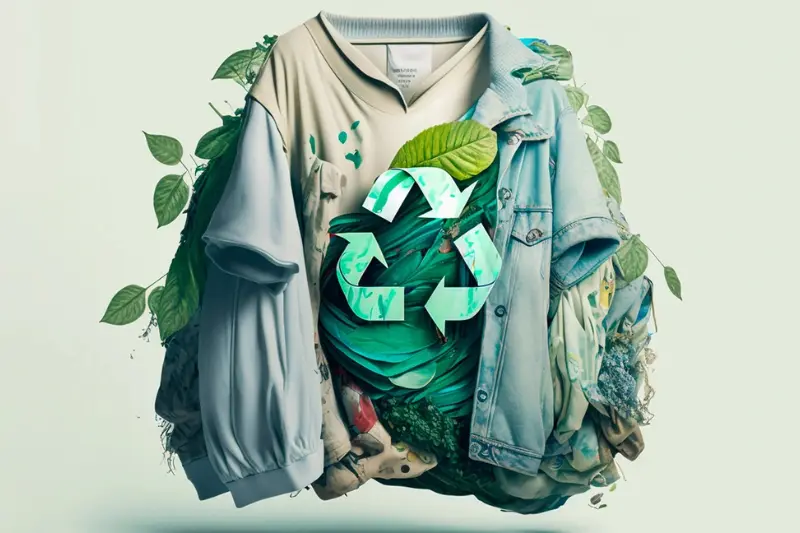
Sustainable fashion is built on a set of core principles that aim to balance environmental protection, social responsibility, and economic sustainability. These principles guide designers, manufacturers, retailers, and consumers toward making choices that reduce harm to the planet while creating a fairer fashion industry. Understanding these foundations helps explain why sustainable fashion has become a key focus for brands and consumers worldwide.
Ethical Manufacturing
Ethical manufacturing is one of the most important principles of sustainable fashion. It involves producing clothing in facilities that respect workers’ rights and provide safe working conditions. Ethical manufacturers ensure that employees are treated with dignity, receive fair compensation, and work in environments that meet health and safety standards.
By prioritizing ethical production practices, fashion companies can help eliminate exploitation and improve the lives of workers throughout the supply chain.
Fair Wages and Safe Working Conditions
Millions of garment workers around the world are involved in the production of clothing. Sustainable fashion emphasizes the importance of paying these workers fair wages and ensuring they have access to safe and healthy workplaces.
Brands committed to sustainability often partner with certified factories and suppliers that follow strict labor regulations. This commitment promotes social justice and encourages greater accountability within the industry.
Resource Conservation
Traditional fashion production often consumes large amounts of water, energy, and raw materials. Sustainable fashion seeks to conserve these valuable resources by adopting efficient manufacturing processes and utilizing sustainable fashion fabrics.
Water-saving technologies, renewable energy sources, and responsible sourcing practices help reduce environmental impact while maintaining product quality. Resource conservation is essential for ensuring that future generations can continue to benefit from natural resources.
Circular Economy in Fashion
A circular economy aims to keep products and materials in use for as long as possible. In sustainable fashion, this means designing garments that can be repaired, reused, resold, or recycled rather than discarded after a short period of use.
Circular fashion reduces waste, extends product lifecycles, and minimizes the need for new raw materials. Many brands now offer take-back programs, resale platforms, and recycling initiatives to support this approach.
Waste Reduction Strategies
The fashion industry generates significant amounts of waste throughout the production and consumption process. Sustainable fashion addresses this challenge by implementing waste reduction strategies such as zero-waste pattern cutting, fabric recycling, and upcycling.
Designers are increasingly creating collections that maximize material usage and minimize leftover fabric. Consumers also play an important role by donating, repairing, or repurposing clothing instead of throwing it away.
Transparency and Accountability
Transparency allows consumers to understand where their clothing comes from and how it is made. Sustainable fashion brands often share information about their sourcing practices, manufacturing processes, and environmental impact.
Greater transparency builds trust and helps consumers make informed purchasing decisions. It also encourages companies to maintain high standards and continuously improve their sustainability efforts.
Conscious Consumerism
Sustainable fashion is not only about how clothes are produced but also about how they are consumed. Conscious consumerism encourages individuals to buy fewer, higher-quality garments that can be worn for many years.
By choosing timeless styles, supporting ethical brands, and caring for clothing properly, consumers can significantly reduce their environmental footprint while supporting the goals of the sustainable fashion movement.
Long-Term Impact of Sustainable Fashion Principles
When combined, these principles create a more responsible and resilient fashion industry. They help protect natural resources, improve working conditions, reduce waste, and encourage innovation. As more brands adopt these practices and consumers become increasingly aware of their purchasing choices, sustainable fashion will continue to shape the future of clothing and design around the world.
Sustainable Fashion Mood Board: Planning Eco-Friendly Designs
A sustainable fashion mood board is an essential creative tool used by designers, students, and fashion enthusiasts to develop environmentally responsible clothing concepts. It serves as a visual representation of ideas, inspirations, colors, materials, textures, and themes that align with sustainability goals. Whether creating a fashion collection, preparing a sustainable fashion PPT, or working on sustainable fashion project ideas, a well-designed mood board helps organize thoughts and communicate a clear design vision.
As the fashion industry moves toward more eco-conscious practices, sustainable mood boards have become increasingly important for turning environmental values into practical and attractive designs.
What Is a Sustainable Fashion Mood Board?
A sustainable fashion mood board is a collection of images, fabric samples, sketches, color palettes, and inspirational elements that reflect sustainable design principles. Unlike traditional mood boards that may focus solely on aesthetics, sustainable mood boards emphasize environmental responsibility, ethical sourcing, and resource efficiency.
The purpose of the mood board is to establish a strong visual direction before the design process begins. It helps designers stay aligned with sustainability objectives while creating stylish and functional garments.
Key Elements of a Sustainable Fashion Mood Board
Eco-Friendly Color Palettes
Colors inspired by nature are commonly featured in sustainable fashion mood boards. Earth tones, greens, blues, beige shades, and natural hues often represent environmental consciousness and harmony with nature.
Sustainable Fashion Fabrics
Fabric samples are one of the most important components of a sustainable mood board. Designers may include organic cotton, hemp, bamboo, linen, recycled polyester, and innovative eco-friendly materials to guide their material selection process.
Nature-Inspired Imagery
Photographs of forests, oceans, plants, wildlife, and natural landscapes can provide inspiration for sustainable collections. These visuals help reinforce the connection between fashion and environmental stewardship.
Ethical and Social Themes
Many mood boards also include images and concepts related to fair labor practices, community empowerment, recycling, and responsible consumption. These themes remind designers that sustainability extends beyond environmental concerns.
How Designers Use Mood Boards
Fashion designers use mood boards as a roadmap throughout the creative process. They help define the collection’s identity, maintain consistency, and inspire innovative solutions. Mood boards can also be shared with clients, team members, and manufacturers to communicate ideas effectively.
Digital tools have made it easier than ever to create and update mood boards. Many designers use online platforms to organize images, textures, and concepts while collaborating remotely with team members.
Sustainable Fashion Mood Board Ideas
For those looking to create a sustainability-focused mood board, consider themes such as:
- Zero-waste fashion
- Circular economy concepts
- Upcycled clothing collections
- Organic and natural textiles
- Ocean conservation-inspired fashion
- Minimalist wardrobes
- Renewable energy and green living
- Traditional craftsmanship and ethical production
These themes can help create visually appealing boards while reinforcing sustainable values.
Benefits of Creating a Sustainable Fashion Mood Board
A sustainable fashion mood board encourages thoughtful planning and helps designers make environmentally responsible decisions from the beginning of a project. It reduces the likelihood of unnecessary material use, improves design consistency, and supports innovation.
For students working on sustainable fashion project ideas, mood boards provide an excellent way to present research and creative concepts. They are also valuable additions to a sustainable fashion PPT presentation, making complex sustainability concepts easier to understand through visual storytelling.
As sustainability becomes increasingly important in the fashion world, mood boards will continue to play a vital role in inspiring designs that are both stylish and environmentally responsible.
Sustainable Fashion Project Ideas for Students and Designers
As awareness of environmental issues continues to grow, sustainable fashion has become a popular subject for academic research, creative projects, and business innovation. Developing sustainable fashion project ideas allows students, designers, and entrepreneurs to explore practical solutions that reduce waste, promote ethical production, and encourage responsible consumption. These projects not only enhance creativity but also contribute to building a more environmentally friendly fashion industry.
Whether for school assignments, university research, exhibitions, or professional portfolios, sustainable fashion projects provide valuable opportunities to combine innovation with sustainability.
Upcycling Old Clothing
One of the most effective sustainable fashion project ideas is upcycling. This involves transforming old or unused garments into new products with improved functionality or style. For example, worn-out jeans can be converted into bags, jackets can be redesigned into modern pieces, and fabric scraps can be used to create accessories.
Upcycling reduces textile waste and demonstrates how creativity can extend the lifespan of clothing while minimizing environmental impact.
Designing a Zero-Waste Fashion Collection
A zero-waste fashion collection focuses on eliminating fabric waste during the design and manufacturing process. Students can create garment patterns that utilize every piece of fabric, ensuring that little or no material is discarded.
This project helps participants understand the importance of efficient resource management and sustainable production methods.
Sustainable Fashion Fabric Research
Researching sustainable fashion fabrics is another valuable project idea. Students can compare materials such as organic cotton, hemp, bamboo, linen, and recycled polyester to evaluate their environmental benefits and challenges.
The findings can be presented through reports, visual displays, or a sustainable fashion PPT that highlights how eco-friendly materials contribute to reducing the industry’s environmental footprint.
Creating a Sustainable Fashion Mood Board
A sustainable fashion mood board project allows students to visually explore eco-friendly design concepts. By combining images, fabric samples, color palettes, and sustainability themes, participants can develop a cohesive vision for a future fashion collection.
This project encourages creativity while helping students understand how sustainability can influence design decisions from the earliest planning stages.
Clothing Recycling Awareness Campaign
Organizing a clothing recycling campaign can educate communities about the importance of responsible textile disposal. Participants can collect unwanted garments, promote donation programs, and provide information about recycling options.
Such initiatives help reduce landfill waste while encouraging consumers to adopt more sustainable habits.
Sustainable Fashion Brand Concept
Students can develop a business plan for a fictional sustainable fashion brand. The project may include designing a brand identity, selecting sustainable fashion fabrics, creating marketing strategies, and outlining ethical manufacturing practices.
This activity helps participants understand the business aspects of sustainability while developing entrepreneurial skills.
Eco-Friendly Fashion Exhibition
An exhibition showcasing sustainable designs, recycled materials, and innovative fashion concepts can be an engaging educational project. Participants can display garments, mood boards, research findings, and sustainability-focused artwork to raise awareness among visitors.
Fashion exhibitions provide an excellent platform for promoting the sustainable fashion movement and inspiring positive change.
Developing a Sustainable Fashion PPT Presentation
Creating a sustainable fashion PPT is a practical project that allows students to research and present important topics related to sustainability. Key sections may include the meaning of sustainable fashion, environmental challenges, sustainable fashion fabrics, ethical production practices, and future trends.
A well-designed presentation can effectively communicate complex information while improving public understanding of sustainability issues.
Community-Based Sustainable Fashion Projects
Community projects encourage collaboration and real-world impact. Examples include organizing clothing swap events, conducting sustainability workshops, teaching basic garment repair skills, or partnering with local organizations to promote ethical fashion practices.
These initiatives help spread awareness and demonstrate how individuals can contribute to a more sustainable future.
Why Sustainable Fashion Projects Matter
Sustainable fashion project ideas encourage innovation, critical thinking, and environmental responsibility. They help students and designers understand the challenges facing the fashion industry while exploring practical solutions. More importantly, these projects contribute to the broader sustainable fashion movement by inspiring individuals to adopt eco-friendly practices and create positive change within their communities.
As sustainability becomes a central focus of modern fashion, educational and creative projects will continue to play an important role in shaping the next generation of responsible designers, entrepreneurs, and consumers.
Creating a Sustainable Fashion PPT Presentation
A sustainable fashion PPT presentation is an effective way to educate audiences about the environmental, social, and economic impacts of the fashion industry. Whether used in schools, universities, workshops, business meetings, or industry conferences, a well-structured presentation can help spread awareness about sustainable practices and inspire positive change.
As the sustainable fashion movement continues to gain momentum, presentations have become valuable tools for sharing knowledge about ethical production, eco-friendly materials, and responsible consumer behavior. A professional PPT can transform complex sustainability concepts into engaging and easy-to-understand information.
Why Create a Sustainable Fashion PPT?
Fashion is often associated with creativity and self-expression, but many people are unaware of its environmental consequences. A sustainable fashion PPT helps bridge this knowledge gap by presenting facts, case studies, and practical solutions in a visually appealing format.
Such presentations can be used to:
- Educate students about sustainable fashion means and principles.
- Promote awareness of environmental challenges.
- Showcase innovative sustainable fashion fabrics.
- Encourage ethical consumer choices.
- Support academic research and project work.
- Inspire businesses to adopt sustainable practices.
- Essential Slides for a Sustainable Fashion PPT
Introduction to Sustainable Fashion
Begin with an overview of sustainable fashion and explain its growing importance. This section should define the concept and highlight the challenges associated with conventional fashion production.
Sustainable Fashion Means Responsible Production
Explain what sustainable fashion means by discussing environmental protection, ethical labor practices, resource conservation, and long-term sustainability goals.
This slide can help audiences understand that sustainability involves the entire lifecycle of a garment rather than just eco-friendly materials.
Environmental Impact of the Fashion Industry
Present key statistics related to water consumption, carbon emissions, textile waste, and pollution. Visual charts and infographics can make these issues easier to understand.
Sustainable Fashion Fabrics
Dedicate a section to sustainable fashion fabrics such as:
- Organic cotton
- Hemp
- Bamboo
- Linen
- Recycled polyester
- Innovative bio-based materials
Explain the environmental benefits of each material and how they contribute to reducing the industry’s footprint.
The Sustainable Fashion Movement
Provide an overview of the sustainable fashion movement and its evolution over time. Include examples of global initiatives, ethical brands, and consumer-driven changes that have influenced the industry.
Sustainable Fashion Mood Board Examples
Showcase examples of a sustainable fashion mood board to demonstrate how designers develop eco-friendly concepts. Include images, color palettes, fabric samples, and sustainability themes to create visual interest.
Sustainable Fashion Project Ideas
Present creative sustainable fashion project ideas such as:
- Upcycling old garments
- Designing zero-waste collections
- Clothing recycling programs
- Sustainable fashion awareness campaigns
- Community-based sustainability initiatives
This section is particularly useful for educational audiences.
Challenges Facing Sustainable Fashion
Discuss obstacles such as higher production costs, limited consumer awareness, supply chain complexity, and greenwashing practices. Addressing these challenges provides a balanced perspective.
Future Trends in Sustainable Fashion
Highlight emerging developments including:
- Circular fashion systems
- AI-assisted design
- Smart textiles
- Clothing rental platforms
- Advanced recycling technologies
These innovations demonstrate how sustainability will continue to shape the future of fashion.
Conclusion and Call to Action
Summarize the key points and encourage audiences to support sustainable fashion by making responsible purchasing decisions, choosing sustainable fashion fabrics, and promoting ethical practices within their communities.
Tips for Designing an Effective Sustainable Fashion PPT
To maximize engagement and professionalism, consider the following tips:
- Use high-quality visuals and infographics.
- Keep slides simple and uncluttered.
- Include relevant statistics and research findings.
- Use consistent colors and typography.
- Incorporate examples of sustainable products and brands.
- Add charts, diagrams, and images to improve understanding.
- Benefits of a Sustainable Fashion PPT
A well-designed sustainable fashion PPT helps educate, inspire, and motivate audiences to take action. It simplifies complex sustainability concepts, promotes environmental awareness, and supports the goals of the sustainable fashion movement.
Whether used for academic purposes, business presentations, or public awareness campaigns, a strong presentation can play a significant role in encouraging more responsible practices within the fashion industry and beyond.
Benefits of Sustainable Fashion
Sustainable fashion offers a wide range of environmental, social, and economic benefits that make it a crucial approach for the future of the global fashion industry. Unlike traditional fast fashion systems that focus on rapid production and short-term consumption, sustainable fashion emphasizes long-lasting value, ethical responsibility, and environmental protection.
As awareness increases worldwide, both consumers and brands are recognizing that sustainable fashion is not just a trend but a necessary shift toward a more responsible way of living and producing clothing.
Environmental Benefits
One of the most significant advantages of sustainable fashion is its positive impact on the environment. By using sustainable fashion fabrics such as organic cotton, hemp, bamboo, and recycled materials, the industry reduces water consumption, energy usage, and pollution levels.
Sustainable fashion also helps minimize textile waste by encouraging recycling, upcycling, and circular production systems. These practices reduce the amount of clothing that ends up in landfills and decrease the overall carbon footprint of the fashion industry.
Social Benefits
Sustainable fashion also focuses heavily on improving social conditions within the garment industry. It promotes fair wages, safe working environments, and ethical labor practices for workers involved in clothing production.
By supporting brands that prioritize sustainability, consumers help ensure that workers are treated fairly and that exploitation is reduced. This contributes to a more just and equitable global supply chain.
Economic Benefits
Although sustainable fashion is often perceived as more expensive, it offers long-term economic advantages. High-quality, durable clothing lasts longer, reducing the need for frequent replacements. This helps consumers save money over time.
For businesses, investing in sustainable practices can improve brand reputation, increase customer loyalty, and open new market opportunities. As demand for ethical products grows, companies that adopt sustainability are more likely to remain competitive in the future.
Benefits for Consumers
Consumers also benefit directly from sustainable fashion. They gain access to higher-quality clothing, improved transparency about product origins, and the satisfaction of making environmentally responsible choices.
Additionally, sustainable fashion encourages mindful consumption, helping individuals build more intentional and minimal wardrobes. This shift not only reduces waste but also promotes a healthier relationship with clothing and personal style.
Contribution to the Sustainable Fashion Movement
Every sustainable choice contributes to the broader sustainable fashion movement. Whether it is choosing eco-friendly fabrics, supporting ethical brands, or participating in recycling initiatives, each action helps drive positive change within the industry.
As more people adopt sustainable habits, the movement gains momentum and encourages even more brands to adopt responsible practices. This collective effort plays a vital role in transforming the fashion industry into a more sustainable and ethical system.
Long-Term Impact of Sustainable Fashion
The long-term impact of sustainable fashion extends beyond clothing. It supports environmental conservation, strengthens communities, and promotes innovation in design and production. Over time, these benefits contribute to a healthier planet and a more balanced global economy.
Sustainable fashion represents a shift toward a future where style, responsibility, and sustainability work together to create meaningful and lasting change.
Challenges Facing Sustainable Fashion
While sustainable fashion is growing rapidly and gaining global attention, it still faces several significant challenges. These obstacles affect both brands and consumers and can slow down the transition from traditional fast fashion systems to more ethical and environmentally friendly practices. Understanding these challenges is important for developing realistic solutions and strengthening the sustainable fashion movement.
Higher Production Costs
One of the biggest challenges in sustainable fashion is the higher cost of production. Sustainable fashion fabrics such as organic cotton, hemp, and recycled materials often require more careful sourcing and processing, which increases manufacturing expenses.
Additionally, ethical labor practices, fair wages, and environmentally friendly technologies contribute to higher overall production costs. As a result, sustainable clothing is often more expensive than fast fashion alternatives, making it less accessible to some consumers.
Limited Consumer Awareness
Although awareness is improving, many consumers still do not fully understand what sustainable fashion means or why it matters. Some people focus primarily on price and trends rather than environmental and ethical considerations.
This lack of awareness makes it difficult for sustainable brands to compete with fast fashion companies that offer cheaper and more widely advertised products. Education and outreach remain essential for increasing consumer understanding and participation.
Greenwashing in the Fashion Industry
Greenwashing is another major issue in sustainable fashion. It occurs when brands falsely claim or exaggerate their environmental efforts to appear more eco-friendly than they actually are.
This can confuse consumers and reduce trust in genuinely sustainable brands. Without clear regulations and transparency, it becomes difficult for shoppers to distinguish between authentic sustainable practices and marketing strategies designed only to improve brand image.
Supply Chain Complexity
The global fashion supply chain is highly complex, involving multiple stages such as raw material sourcing, manufacturing, transportation, and retail distribution. Ensuring sustainability across all these stages is challenging.
Many brands rely on international suppliers, making it difficult to monitor environmental and labor standards consistently. Achieving full transparency and accountability requires significant coordination and investment.
Limited Availability of Sustainable Fashion Fabrics
Although sustainable fashion fabrics are becoming more popular, they are still not as widely available as conventional materials. This limits the ability of brands to fully transition to eco-friendly production.
Some sustainable materials also require specialized processing techniques or infrastructure, which may not be accessible in all regions. This creates additional barriers for widespread adoption.
Balancing Style and Sustainability
Another challenge is maintaining a balance between fashion trends and sustainability. The fashion industry is highly trend-driven, while sustainability focuses on long-term value and durability.
Designers must find ways to create stylish, appealing clothing without compromising environmental or ethical standards. This requires innovation, creativity, and a shift in consumer mindset.
Overcoming Industry Resistance
Some established fashion companies are resistant to change due to the costs and effort involved in adopting sustainable practices. Transitioning to sustainable systems may require restructuring production methods, sourcing strategies, and business models.
However, as consumer demand continues to grow, more companies are gradually beginning to embrace sustainability.
The Path Forward
Despite these challenges, the future of sustainable fashion remains promising. Technological advancements, increasing consumer awareness, and stronger environmental regulations are helping address many of these issues.
As the sustainable fashion movement continues to evolve, collaboration between brands, governments, and consumers will be essential in overcoming obstacles and creating a more responsible and sustainable global fashion industry.
How Consumers Can Support Sustainable Fashion
Consumers play a powerful role in shaping the future of the fashion industry. Every purchase decision influences how brands design, produce, and market their clothing. By adopting more conscious habits, individuals can actively support sustainable fashion and contribute to reducing environmental damage caused by fast fashion.
Supporting sustainable fashion does not require drastic lifestyle changes. Instead, it involves making thoughtful, informed choices that prioritize quality, ethics, and long-term value over short-term trends.
Buy Less, Choose Better
One of the most effective ways to support sustainable fashion is to reduce unnecessary consumption. Instead of frequently buying cheap, trend-based clothing, consumers should focus on purchasing fewer but higher-quality items.
Well-made garments last longer, maintain their appearance, and reduce the need for constant replacements. This simple shift in mindset helps reduce textile waste and promotes more responsible consumption habits.
Support Ethical and Sustainable Brands
Choosing brands that follow ethical and sustainable practices is another important step. These companies often use sustainable fashion fabrics, ensure fair wages for workers, and maintain environmentally friendly production processes.
By supporting such brands, consumers send a strong message to the industry that sustainability matters. Over time, this encourages more companies to adopt responsible practices.
Choose Sustainable Fashion Fabrics
Consumers can also pay attention to the materials used in clothing. Opting for garments made from sustainable fashion fabrics such as organic cotton, hemp, bamboo, linen, or recycled polyester helps reduce environmental impact.
Understanding fabric labels and learning about material sourcing allows shoppers to make more informed and eco-friendly decisions.
Repair and Reuse Clothing
Extending the life of clothing is a key principle of sustainable fashion. Instead of discarding damaged items, consumers can repair, alter, or upcycle them into new styles.
Simple actions like sewing small tears, replacing buttons, or restyling old outfits can significantly reduce waste and promote a more sustainable wardrobe.
Participate in Recycling and Donation Programs
Donating unused clothing or participating in textile recycling programs helps ensure garments are reused instead of ending up in landfills. Many organizations and brands now offer take-back schemes where old clothes are collected and repurposed.
This supports a circular economy where materials are continuously reused rather than discarded.
Adopt a Minimalist Wardrobe Approach
A minimalist wardrobe focuses on owning fewer, versatile pieces that can be mixed and matched easily. This approach reduces overconsumption and encourages more intentional fashion choices.
A capsule wardrobe built on timeless designs supports both sustainability and personal style consistency.
Educate and Spread Awareness
Consumers can also contribute by educating others about the importance of sustainable fashion. Sharing knowledge through conversations, social media, or community initiatives helps spread awareness and encourages collective action.
As more people understand the impact of their choices, the sustainable fashion movement continues to grow stronger.
The Impact of Individual Actions
Every small action contributes to a larger change. When consumers consistently choose sustainable options, they influence market demand and encourage brands to improve their practices.
Collectively, these efforts help reduce environmental damage, promote ethical labor standards, and strengthen the global movement toward sustainable fashion.
Future Trends in Sustainable Fashion
The future of sustainable fashion is evolving rapidly as technology, innovation, and consumer awareness continue to reshape the global fashion industry. What was once considered a niche movement is now becoming a mainstream expectation. Brands are increasingly adopting eco-friendly practices, and new technologies are making it easier to design, produce, and recycle clothing in more responsible ways.
These future trends show that sustainable fashion is not only here to stay but will likely define the next era of the fashion industry.
Smart Sustainable Materials
One of the most exciting developments in sustainable fashion is the rise of smart materials. Scientists and designers are creating fabrics that are biodegradable, self-repairing, or made from renewable resources.
Innovations such as mushroom leather, algae-based textiles, and lab-grown fibers are reducing dependence on traditional resource-heavy materials. These advanced fabrics are expected to play a major role in shaping the future of sustainable fashion fabrics.
Circular Fashion Systems
Circular fashion is becoming a key trend in sustainability. Instead of the traditional “take-make-dispose” model, circular systems focus on reusing, recycling, and regenerating materials.
Brands are now designing clothing that can be easily repaired, reused, or broken down into raw materials for new garments. This approach significantly reduces waste and supports long-term environmental balance.
AI and Digital Fashion Design
Artificial intelligence is transforming how clothing is designed and produced. AI tools help designers predict trends, reduce fabric waste, and optimize production processes.
Digital fashion is also gaining popularity, where clothing exists virtually for online platforms and gaming environments. This reduces the need for physical production and minimizes environmental impact while opening new creative possibilities.
Growth of Rental and Second-Hand Fashion
The rental fashion market and second-hand clothing industry are expanding quickly. Consumers are increasingly choosing to rent outfits for special occasions or buy pre-owned clothing instead of purchasing new items.
This shift supports sustainable fashion by extending the lifecycle of garments and reducing demand for new production. It also encourages more affordable and accessible fashion choices.
Transparent and Ethical Supply Chains
Transparency is becoming a major expectation among consumers. In the future, brands will be required to provide more detailed information about how and where their products are made.
Blockchain technology and digital tracking systems are being used to improve supply chain transparency. This helps ensure ethical labor practices and environmentally responsible sourcing.
Rise of Conscious Consumer Behavior
Consumers are becoming more educated and selective about their purchases. Instead of following fast-changing trends, many people are now focusing on quality, durability, and sustainability.
This shift in behavior is pushing brands to prioritize sustainable fashion practices and invest in long-term environmental strategies.
Government Regulations and Industry Standards
Governments around the world are beginning to introduce stricter environmental regulations for the fashion industry. These include policies on waste management, carbon emissions, and ethical labor standards.
Such regulations will play a crucial role in accelerating the adoption of sustainable practices across the industry.
The Future Outlook of Sustainable Fashion
The future of sustainable fashion is expected to be more innovative, transparent, and responsible. As technology continues to evolve and awareness increases, sustainability will no longer be optional—it will become a core requirement for all fashion brands.
This transformation will help create a fashion industry that is more environmentally friendly, socially responsible, and economically sustainable for future generations.
Conclusion
Sustainable fashion is no longer just an alternative approach to clothing—it is becoming the foundation of the modern fashion industry. As environmental challenges continue to grow, the need for responsible production, ethical labor practices, and eco-friendly consumption has never been more important. Understanding sustainable fashion means recognizing that every stage of a garment’s lifecycle, from design to disposal, has an impact on the planet and society.
Throughout this guide, we explored what sustainable fashion means, how the sustainable fashion movement has evolved, and why sustainable fashion fabrics play such a crucial role in reducing environmental harm. We also looked at creative tools like the sustainable fashion mood board, practical sustainable fashion project ideas, and the importance of a well-structured sustainable fashion PPT for spreading awareness.
The future of fashion depends heavily on innovation and responsibility. From circular fashion systems to smart materials and digital design, the industry is gradually shifting toward more sustainable and transparent practices. However, real change also depends on consumers. Every purchase decision—whether choosing eco-friendly fabrics, supporting ethical brands, or reusing clothing—contributes to a larger global impact.
Sustainable fashion is not just about what we wear, but about the values we support. By embracing sustainability, we can help create a fashion industry that respects people, protects the environment, and promotes long-term balance for future generations. The movement is growing, and every step taken today brings us closer to a more responsible and conscious future in fashion.
faqs
What is sustainable fashion?
Sustainable fashion is an approach to designing, producing, and consuming clothing in a way that reduces environmental impact and promotes ethical working conditions. It focuses on long-lasting, eco-friendly, and responsibly made garments.
What does sustainable fashion mean?
Sustainable fashion means creating clothing that minimizes harm to the environment while ensuring fair wages and safe working conditions for workers. It also promotes responsible consumption and waste reduction.
Why is sustainable fashion important?
It is important because the fashion industry contributes heavily to pollution, water usage, and textile waste. Sustainable fashion helps reduce these impacts and supports a healthier planet.
What are sustainable fashion fabrics?
Sustainable fashion fabrics are eco-friendly materials such as organic cotton, hemp, bamboo, linen, and recycled polyester. These fabrics require fewer resources and produce less environmental damage.
What is the sustainable fashion movement?
The sustainable fashion movement is a global effort to encourage ethical production, environmental responsibility, and conscious consumption within the fashion industry.
What is a sustainable fashion mood board?
A sustainable fashion mood board is a visual tool used by designers to plan eco-friendly collections. It includes colors, fabrics, textures, and inspirations that reflect sustainability themes.
What are some sustainable fashion project ideas?
Popular ideas include upcycling old clothes, designing zero-waste collections, creating eco-friendly fashion campaigns, and researching sustainable materials.
What should be included in a sustainable fashion PPT?
A sustainable fashion PPT should include topics like environmental impact, sustainable fabrics, ethical production, fashion movement overview, and future trends.
Is sustainable fashion more expensive?
Yes, it can be more expensive due to ethical labor practices and eco-friendly materials, but it offers better quality and long-term value.
How can consumers support sustainable fashion?
Consumers can support sustainable fashion by buying less, choosing ethical brands, using sustainable fabrics, repairing clothes, and recycling garments responsibly.
