


Introduction

Sustainable Fashion is a growing movement that focuses on creating clothing in a way that is environmentally friendly, ethical, and long-lasting. In today’s world, where the fashion industry produces a large amount of waste and pollution, more people are becoming aware of the need for responsible choices.
The concept of fashion and sustainability is not just about eco-friendly materials, but also about fair labor practices, reducing waste, and promoting slow fashion instead of fast trends. Many consumers are now shifting away from fast fashion and sustainability issues by choosing quality over quantity.
Understanding the history of sustainable fashion and learning key facts about sustainable fashion helps people make better decisions while shopping. At the same time, interest in education is also growing, with many people exploring a fashion sustainability course to gain deeper knowledge about ethical fashion.
In this article, we will explore the importance of sustainable fashion, its history, key facts, and how you can adopt eco-friendly fashion choices in your daily life.
Facts About Sustainable Fashion
Facts about Sustainable Fashion help us understand why eco-friendly clothing is important for the environment, society, and future generations. The fashion industry is one of the largest polluting industries in the world, which makes sustainable choices more important than ever.
One key fact is that fast fashion and sustainability are closely linked, as fast fashion produces large amounts of waste due to cheap and short-lasting clothing. Millions of tons of clothes are thrown away every year, contributing to landfill waste and environmental damage.
Another important fact is that sustainable fashion focuses on using eco-friendly materials like organic cotton, recycled fabrics, and natural dyes. These materials reduce water usage and pollution compared to traditional manufacturing methods.
Sustainable fashion also supports ethical labor practices, ensuring that workers are paid fairly and work in safe conditions. This is a major part of fashion and sustainability, as it improves both environmental and social impact.
Key Facts About Sustainable Fashion:
- The fashion industry is a major contributor to pollution
- Fast fashion leads to excessive waste and overproduction
- Sustainable brands focus on quality and durability
- Eco-friendly materials reduce environmental damage
- Ethical production supports workers’ rights
Overall, understanding these facts about sustainable fashion encourages people to make smarter clothing choices, support responsible brands, and reduce their environmental impact.
Fashion and Sustainability
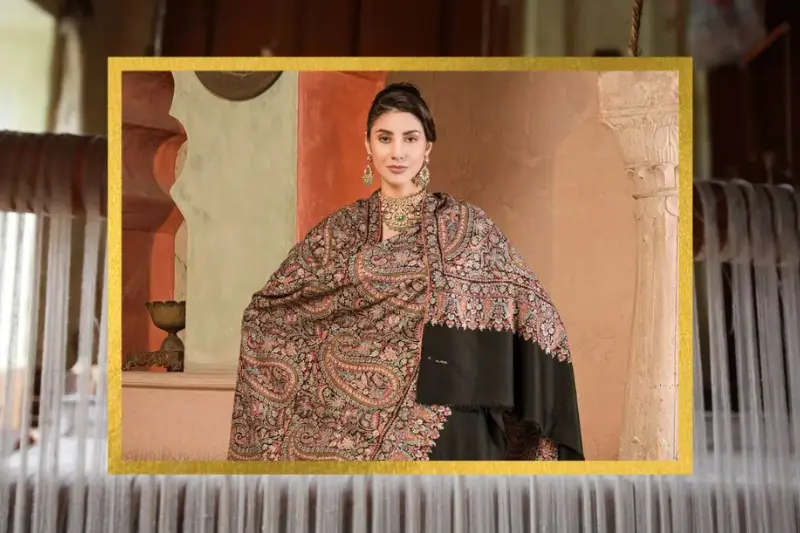
Fashion and sustainability is about creating and wearing clothes in a way that protects the environment and supports ethical practices. It focuses on reducing waste, using eco-friendly materials, and ensuring fair treatment of workers in the fashion industry.
In the past, fashion mainly focused on trends and fast production. However, with growing awareness, people now understand the negative impact of fast fashion and sustainability issues, such as pollution, overproduction, and poor working conditions. This has led to a shift toward more responsible and conscious fashion choices.
Sustainable fashion promotes the use of materials like organic cotton, recycled fabrics, and natural dyes, which are less harmful to the environment. It also encourages buying fewer but better-quality clothes that last longer, reducing waste.
Another important part of fashion and sustainability is ethical production. This means workers are paid fairly, work in safe environments, and are treated with respect. Consumers are also becoming more mindful by supporting brands that follow these practices.
Overall, fashion and sustainability is about making smart choices that benefit both people and the planet, helping create a better and more responsible future for the fashion industry.
Fashion Sustainability Course
A fashion sustainability course is designed to teach students and professionals how to create, manage, and understand fashion in an environmentally friendly and ethical way. These courses focus on reducing waste, using sustainable materials, and improving working conditions in the fashion industry.
Today, many online platforms offer flexible learning options. For example, the Coursera course “Fashion as Design: Craft and Sustainability” provides beginner-level knowledge about sustainable design and can be completed in a few hours at your own pace.
Another popular option is the Centre for Sustainable Fashion MOOC, which helps learners understand materials, ethical production, and sustainable business practices in the fashion industry.
Courses like FutureLearn’s “Fashion’s Future” explore how fashion impacts the environment and how it connects to global sustainability goals over a few weeks of study.
What You Learn in a Fashion Sustainability Course:
- Environmental impact of the fashion industry
- Difference between fast fashion and sustainable fashion
- Use of eco-friendly materials and production methods
- Circular fashion and recycling concepts
- Ethical labor practices and business models
Many courses also offer certificates and practical knowledge, helping students build careers in eco-friendly fashion design, branding, or business. Some programs even teach how to create sustainable product lines and reduce waste in production.
Why Take a Fashion Sustainability Course?
- Gain in-demand skills for the future fashion industry
- Learn how to create eco-friendly designs
- Improve career opportunities in fashion and business
- Understand global environmental challenges
Overall, a fashion sustainability course is a great way to learn how fashion can become more responsible and eco-friendly, while also building valuable skills for future career growth.
Fast Fashion and Sustainability

Fast fashion and sustainability are closely connected topics because fast fashion has a major negative impact on the environment and society. Fast fashion refers to the rapid production of cheap and trendy clothing that is quickly sold and often discarded after a short time.
One of the biggest problems with fast fashion is overproduction and waste. Clothes are made in large quantities using low-cost materials, which leads to millions of garments being thrown away each year. This creates serious environmental issues like landfill waste and pollution.
Fast fashion also uses large amounts of water and chemicals during production, which harms natural resources. In addition, workers in fast fashion industries may face poor working conditions and low wages, making it a concern not only for the environment but also for human rights.
On the other hand, sustainable fashion offers a better solution. It focuses on producing high-quality clothing that lasts longer, uses eco-friendly materials, and supports ethical labor practices. Instead of buying many cheap items, sustainable fashion encourages people to buy fewer, better-quality clothes.
Key Differences:
- Fast fashion = cheap, trendy, short-term use
- Sustainable fashion = durable, eco-friendly, long-lasting
Final Thought
Understanding fast fashion and sustainability helps people make smarter choices. By supporting sustainable brands and reducing unnecessary shopping, we can protect the environment and promote a more responsible fashion industry.
History of Sustainable Fashion
The history of sustainable fashion goes back several decades, although the idea of mindful clothing has existed even longer. In earlier times, people naturally followed sustainable practices by reusing, repairing, and passing down clothes instead of constantly buying new ones. Fashion was slower, and quality was more important than quantity.
The modern concept of Sustainable Fashion began to take shape in the 1960s and 1970s, when environmental awareness started growing worldwide. During this time, people became concerned about pollution, waste, and the harmful effects of industrial production, including in the fashion industry.
In the 1990s, the conversation around fashion and sustainability became stronger as brands and designers started focusing on eco-friendly materials and ethical production. Issues related to fast fashion and sustainability also became more visible, as cheap and mass-produced clothing led to increased waste and poor working conditions.
In the 2000s and beyond, sustainable fashion gained global attention. Many brands began adopting organic fabrics, recycling methods, and fair trade practices. Consumers also became more aware of facts about sustainable fashion, leading to a shift toward responsible buying habits.
Today, sustainable fashion is a major movement supported by designers, brands, and consumers. It continues to grow with innovations in eco-friendly materials, circular fashion, and ethical production methods, shaping the future of the fashion industry.
Conclusion
Sustainable Fashion is not just a trend—it is a necessary shift toward a more responsible and eco-friendly future. As we have seen, the impact of clothing on the environment and society is significant, especially when considering issues related to fast fashion and sustainability.
By understanding the history of sustainable fashion, learning important facts about sustainable fashion, and exploring concepts like fashion and sustainability, individuals can make more informed and conscious choices. Education through a fashion sustainability course also helps build awareness and encourages better practices in the industry.
Overall, choosing sustainable fashion means buying less, selecting quality products, and supporting ethical brands. Small changes in our shopping habits can make a big difference in protecting the environment and creating a better future for the fashion world.
FAQs
Q1: What is Sustainable Fashion?
Sustainable Fashion is a way of designing, producing, and using clothes that are eco-friendly, ethical, and long-lasting.
What are some facts about sustainable fashion?
Sustainable fashion reduces waste, uses eco-friendly materials, and supports fair labor practices in the fashion industry.
What is fast fashion and sustainability?
Fast fashion focuses on cheap, trendy clothes, while sustainability promotes quality, durability, and environmental protection.
Why is fashion and sustainability important?
It helps reduce pollution, protects natural resources, and ensures better working conditions for workers.
How can I follow sustainable fashion?
You can buy less, choose quality over quantity, support ethical brands, and recycle or reuse clothes.
